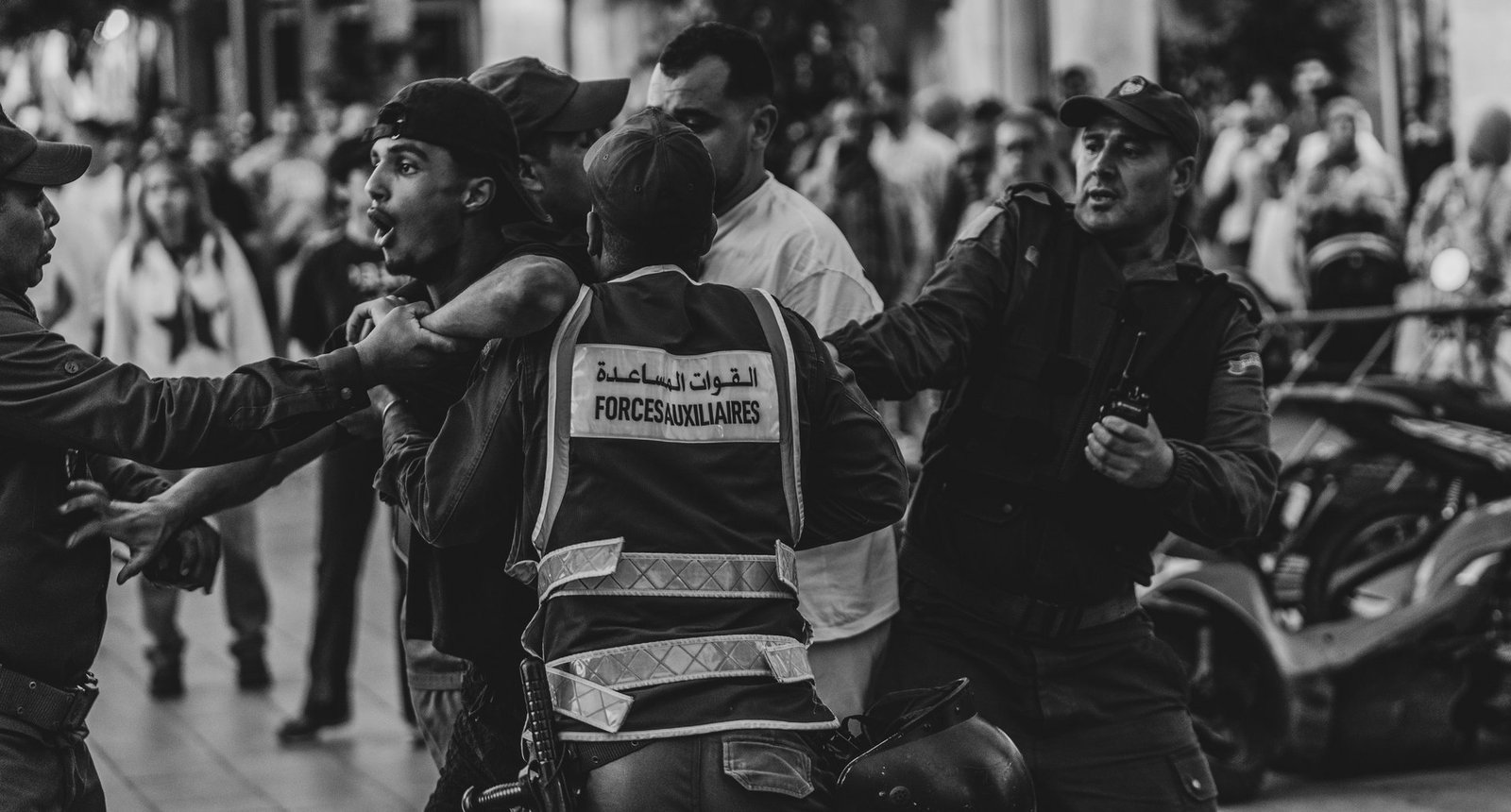
In a surprising turn of events that took place in Tilak Nagar, West Delhi, a seemingly innocuous interaction spiraled into a highly publicized political incident. The focal point of this drama became a 22-year-old man named Sahib Singh, who, despite not being an active participant in the unfolding events, has now found himself at the center of a significant political discussion.
Incident Overview
The incident occurred on a Sunday afternoon and involved several political figures and their supporters. It began with what appeared to be a friendly handshake but quickly escalated into a physical altercation, culminating in a slap. The details surrounding the handshake remain somewhat obscure, but it set off a chain reaction that would lead to considerable media attention.
Sahib Singh, who was merely a bystander at the time, witnessed the confrontation unfold before him. His presence has now turned him into a symbol of the tensions that often characterize political rivalries in the region. Despite his lack of involvement in the initial exchange, his situation has sparked widespread interest and debate.
Political Reactions
The altercation has not only drawn attention to the individuals directly involved but has also highlighted the broader political environment in Delhi. Various political figures have begun to weigh in on the incident, using it as an opportunity to address underlying issues within the political landscape.
Statements from leaders of multiple parties have emerged, each framing the incident in a way that serves their political narratives. This has further complicated the situation, as supporters and opponents alike weigh in on social media, making it a hot topic of discussion across various platforms.
The Broader Implications
The incident, while seemingly minor, underscores the volatility of political interactions in Delhi. It raises questions about the conduct of public officials and the impact of their actions on the perception of governance in the region. As citizens observe the reactions from their leaders, it becomes clear that the implications of this event extend far beyond the immediate altercation.
Moreover, the involvement of a young individual like Sahib Singh in this political narrative brings to light the ways in which youth can become unwitting symbols in larger political battles. His story may inspire discussions on political engagement and the role of the younger generation in shaping the future of political discourse.
What Comes Next?
As the dust settles from this incident, all eyes will be on how the political parties respond in the coming days. There may be a push for accountability and a call for a more civil approach to political discourse. It remains to be seen whether this event will lead to meaningful changes or if it will simply fade into the background of ongoing political antics.
For Sahib Singh, the attention may lead to a unique position in local politics, potentially influencing his perspectives on civic engagement and political participation. As this narrative continues to unfold, it is evident that what began as a simple handshake has transformed into a significant moment in Delhi’s political landscape.