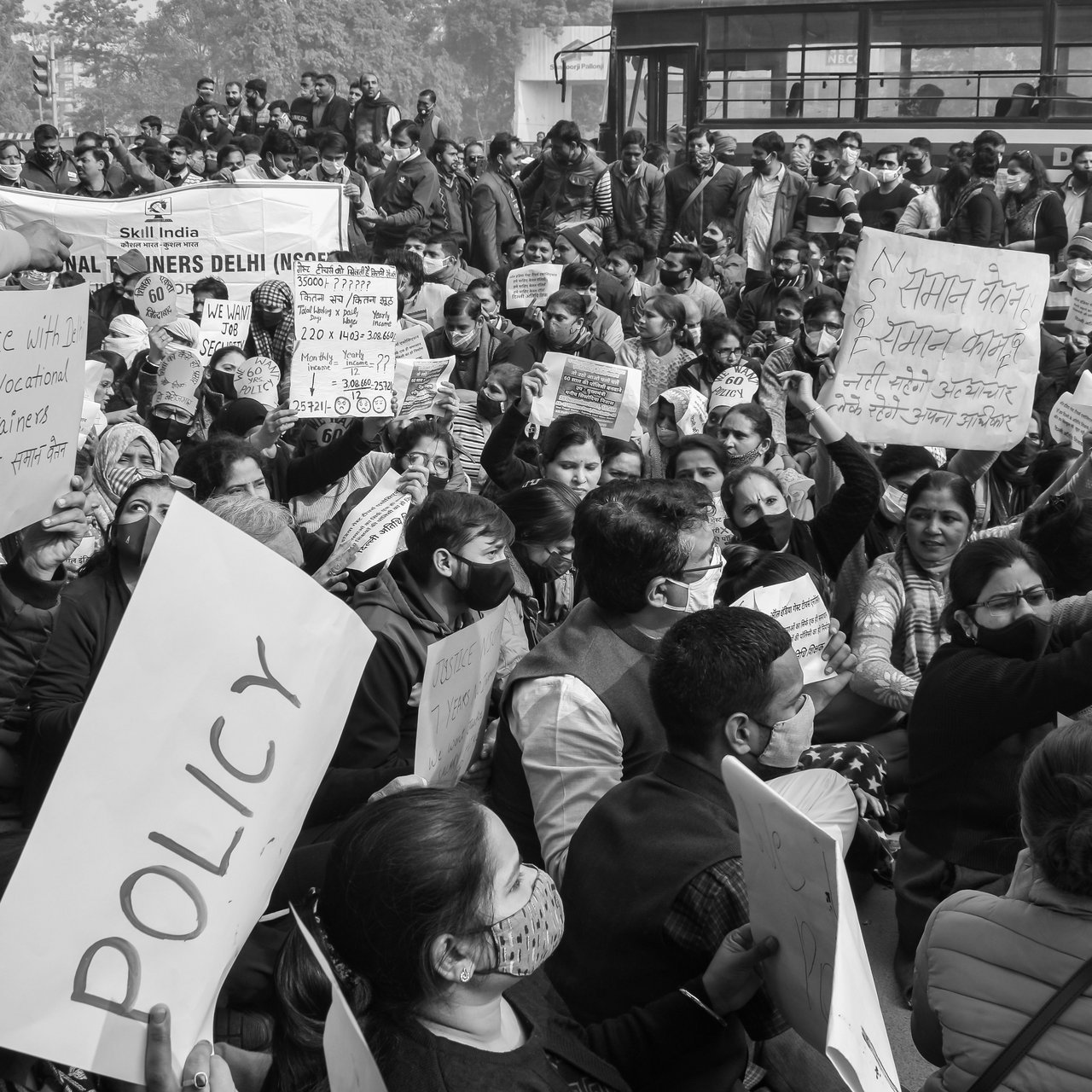
In a bold move that has captured the attention of the nation, the Cockroach Janta Party (CJP) is organizing a significant protest scheduled for October 10 in Delhi. This event is aimed at pressuring Gyanesh Kumar, the Chief of the Election Commission, to step down from his position. The rally, dubbed ‘Chalo Delhi,’ is expected to mobilize a large number of young protesters, highlighting the rising discontent among the youth regarding the current political climate.
Call for Action from CJP Leadership
Abhijeet Dipke, a prominent figure within the CJP, made a stirring announcement regarding the protest, emphasizing the urgency of the situation. He stated, “If Gyanesh Kumar does not resign, the Gen Z of the entire nation will go to Delhi. There will be Jantar Mantar 2.0.” This reference to ‘Jantar Mantar 2.0’ signifies the potential for a large-scale gathering reminiscent of previous significant protests held at the notable site in Delhi, which has become a symbol of public expression and dissent in India.
The choice of Jantar Mantar as a protest site is particularly strategic, given its historical importance as a venue for political activism. Dipke’s statements indicate that the CJP is tapping into the frustrations of younger voters who feel that their voices are not being adequately represented in the political process.
Context Behind the Protest
The demand for Gyanesh Kumar’s resignation is rooted in broader issues concerning the electoral process and the perceived integrity of the Election Commission. The CJP has been critical of various decisions made by the commission that they argue undermine the democratic process. By calling for a mass protest, the party aims to not only express dissatisfaction but also to galvanize younger voters to engage actively in political discourse.
This protest comes at a time when the political landscape in India is increasingly polarized, and many young voters are seeking change. The CJP’s initiative reflects a growing trend of youth-led movements that are seeking accountability from established political institutions.
What Lies Ahead
As the date for the protest approaches, it remains to be seen how many participants will gather and the impact that this demonstration will have on public sentiment and political discourse. The CJP is likely to leverage social media and other platforms to mobilize support and spread awareness about the event.
In the lead-up to the protest, it is also expected that political responses from the Election Commission and other political parties will emerge, as they seek to either support or counter the message being put forth by the CJP. The outcome of this protest could have significant implications for the future of electoral politics in India, particularly regarding youth engagement.