The Kanishka bombing, which tragically claimed the lives of 329 individuals, remains one of the most heart-wrenching events in aviation history. For families like mine, it was not just a statistic; it was a profound personal loss. Forty-one years later, the pain still resonates deeply, especially as discussions of closing the case begin to surface in Canada.
A Personal Odyssey Through Grief
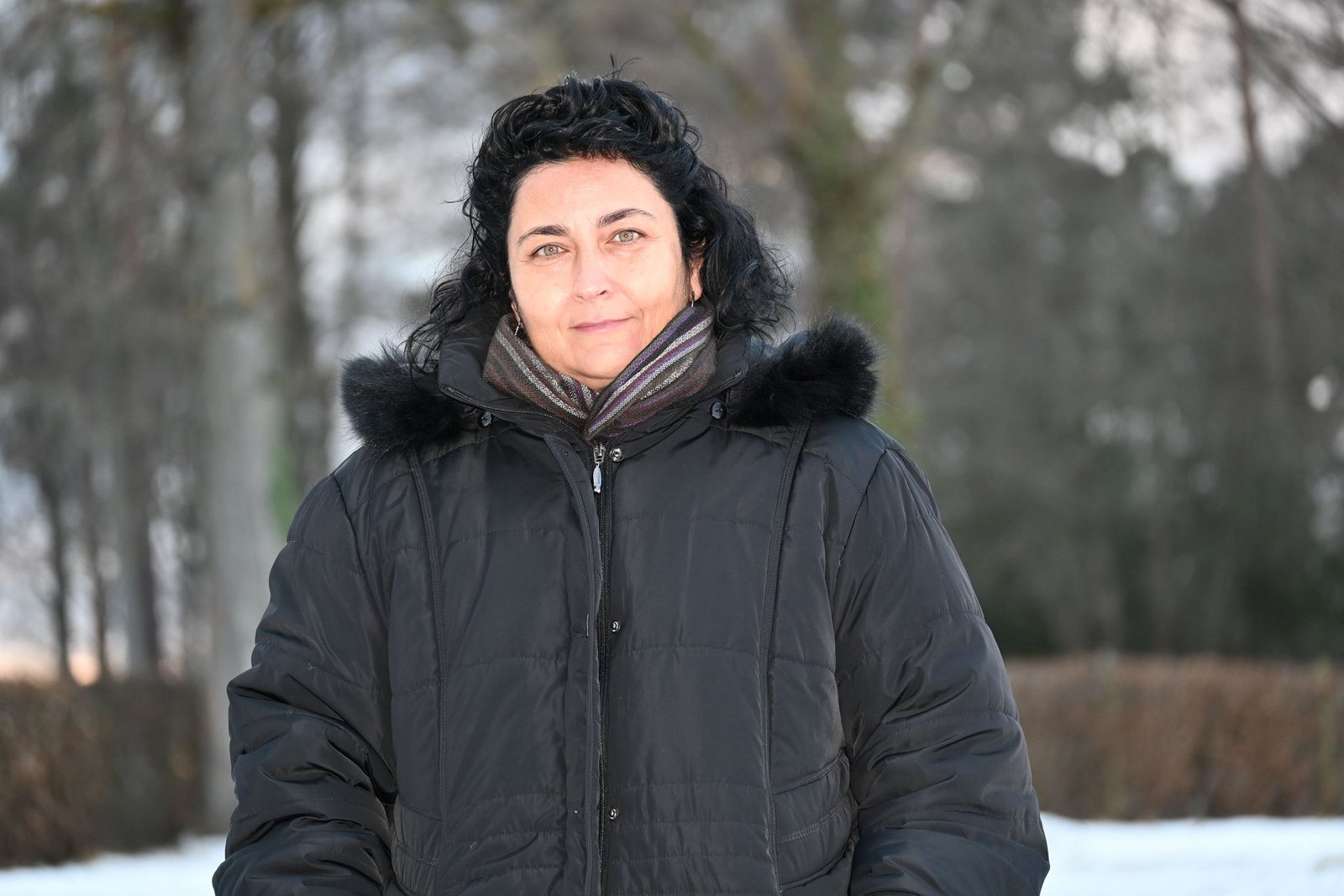
In the aftermath of the bombing, my journey was filled with unimaginable sorrow. I found myself in Cork, Ireland, where I spent 25 harrowing days working in a makeshift morgue. This was not just a job; it was a mission to bring dignity to the memories of those we lost. I sifted through the remnants of what remained, desperately searching for any sign of my loved ones among the countless bodies and body parts. Each identification was both a relief and a reminder of the profound loss that had shattered our lives.
The emotional toll of this experience was colossal. Every moment spent in that morgue was a reminder of the lives cut short, the families torn apart, and the grief that would linger for decades. The Kanishka bombing was not just an attack; it was a tragedy that would shape the lives of many, including mine.
The Push for Closure and Its Implications
Fast forward to the present, and we find ourselves at a critical juncture. The Canadian government is contemplating the closure of the Kanishka case, a decision that raises many questions among the victims’ families. For those of us who lost loved ones, the idea of closing the case feels like a denial of our grief and a dismissal of our pursuit for justice.
Closure may seem like a practical decision from a bureaucratic standpoint, but for families who have lived with this tragedy for over four decades, it represents a profound loss of hope. We seek not only answers but also accountability. The ramifications of the bombing extend beyond the immediate loss; they touch on issues of justice, remembrance, and the need for truth in the face of national tragedy.
Continuing the Fight for Justice
As discussions around the closure of the Kanishka case intensify, it is imperative to remember that for many, the pain is far from over. The families affected by this tragedy deserve to have their voices heard and their quest for justice respected. Each year serves as a reminder that the impact of such violence reverberates through generations.
While the passage of time may dull the edges of grief, it does not eliminate the necessity for accountability. The desire for justice is not merely a desire for punishment; it is a plea for recognition of the lives lost and an acknowledgment of the suffering endured by those left behind.
As we reflect on this tragedy, let us not forget the human stories that lie beneath the numbers. Each victim was a person with dreams, aspirations, and families who continue to mourn their absence. Our fight for justice must continue, not just for the sake of our loved ones but for the integrity of our collective memory and for future generations.