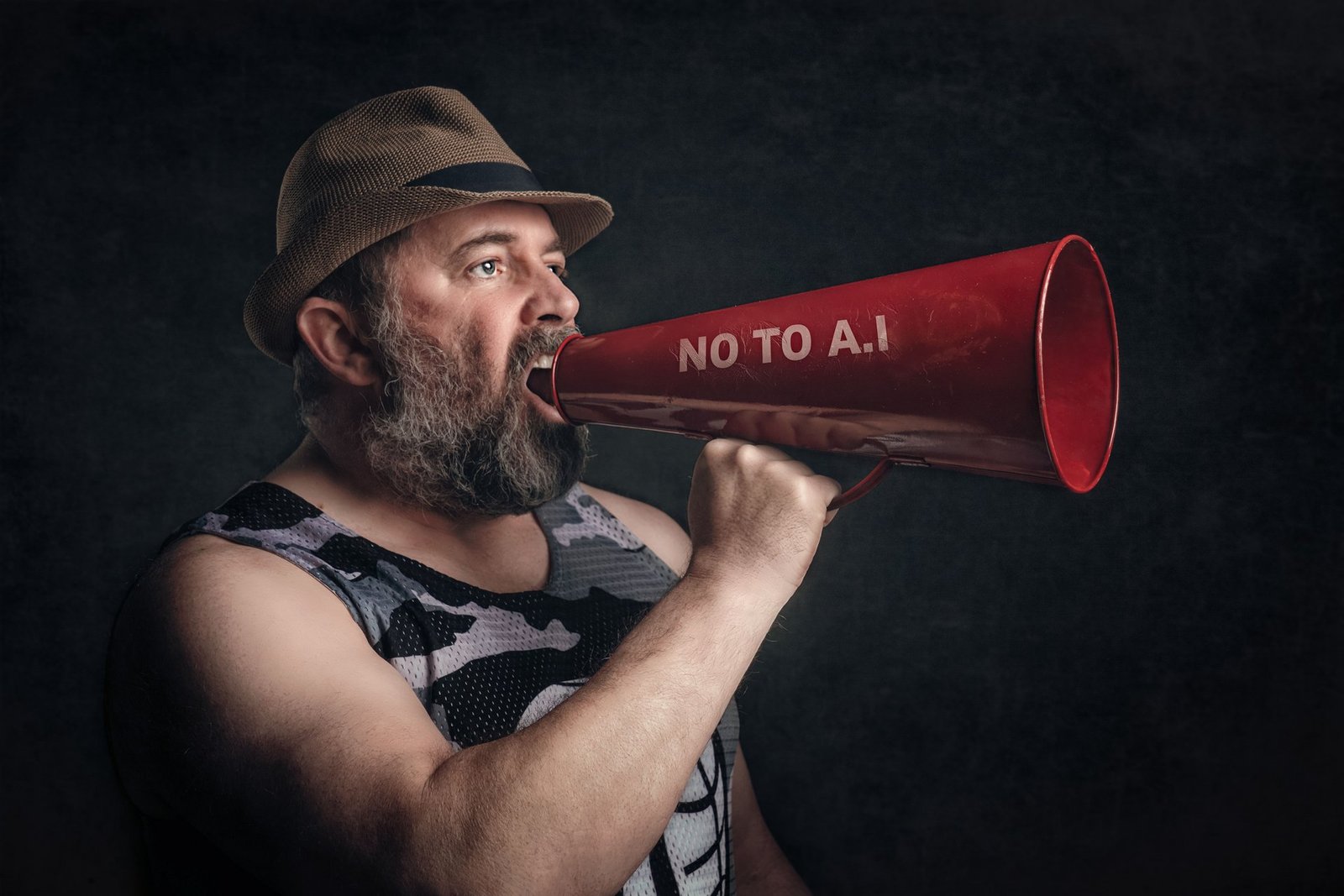
As September rolls in, San Francisco’s Palace Hotel becomes a hub for Silicon Valley’s elite, gathering for an annual investment conference hosted by Goldman Sachs. This year’s event saw tech leaders grappling with the unexpected resignation of Jacob Coxon, a former researcher at Anthropic. Coxon, who previously worked with OpenAI, startled the community by declaring that AI could potentially lead to humanity’s downfall.
AI Concerns and Industry Reactions
Coxon’s departure is not an isolated incident. Several prominent figures have exited companies like Anthropic and OpenAI, citing safety concerns. Echoing Coxon’s alarm, Evan Hubinger, a team lead at Anthropic, expressed a belief that AI poses a significant existential threat, estimating over a 10% chance of catastrophic outcomes within the next decade.
Despite these warnings, skepticism abounds among Silicon Valley executives and investors. Some view the dire predictions as a tactic to draw attention and boost the perceived value of AI technologies, especially with Anthropic and OpenAI eyeing public offerings. Anthropic’s CEO, Dario Amodei, has faced criticism for his comments on AI’s potential to disrupt white-collar jobs, which some interpret as fearmongering.
Divergent Perspectives on AI’s Future
Not all industry leaders share the alarmist view. Nvidia’s CEO, Jensen Huang, dismissed Coxon’s statements as exaggerated, maintaining that the narrative of AI as an existential threat is unfounded. Huang’s company, Nvidia, plays a crucial role in AI development, providing the hardware that powers these systems.
Meanwhile, Clement Delangue, CEO of Hugging Face, offered a more nuanced take, suggesting that while the risks should not be ignored, they need to be contextualized appropriately. Delangue emphasized the importance of balanced discourse, especially following Amodei’s call for regulatory measures to mitigate AI risks.
Potential Regulatory Implications
The ongoing debate over AI safety has caught the attention of policymakers. Senator Bernie Sanders has co-sponsored a bill proposing a temporary halt on advanced AI development, citing concerns about losing control over the technology. This legislative move reflects a growing sentiment among some lawmakers to slow down AI progress until its implications are better understood.
However, the current administration under President Donald Trump remains committed to maintaining the US’s competitive edge in AI, particularly against China. The administration’s stance has led to a complicated relationship with companies like Anthropic, which has faced criticism from the White House for its cautionary approach to AI development.
Economic Stakes and Investor Interests
Despite the controversies, the financial stakes in AI remain high. OpenAI’s recent valuation and its plans for a future public offering highlight the significant commercial interest in AI technologies. Investors are keenly watching Anthropic’s next moves, with questions about the company’s profitability at the forefront of their minds.
As the conference concluded, the focus for many remained on the potential financial returns from AI investments rather than the existential debates. Yet, the ongoing discourse around AI safety continues to shape the strategic decisions of key industry players.