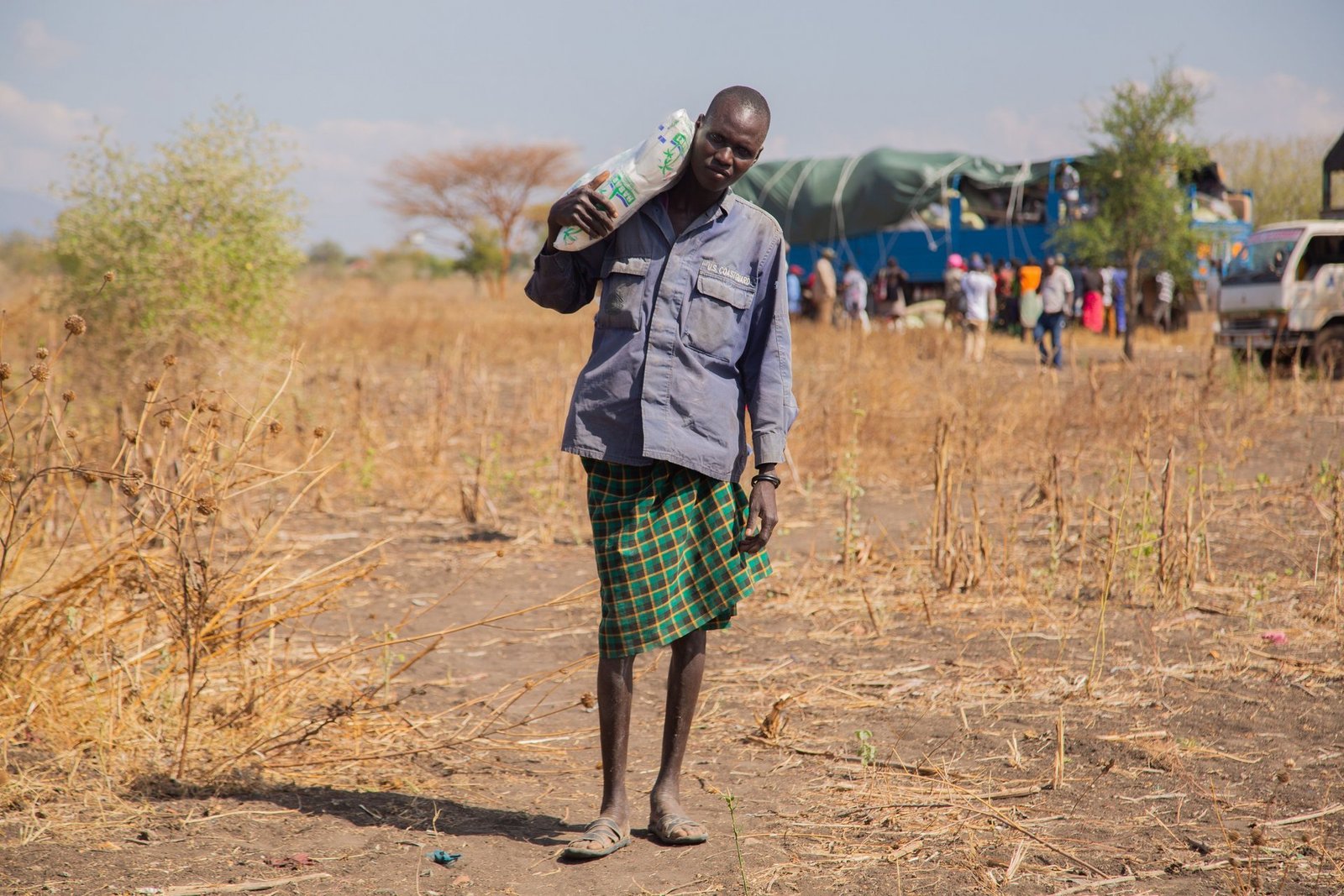
In a significant political shift, Salva Kiir, the President of South Sudan, has officially dissolved the transitional government just three months ahead of the nation’s inaugural elections since gaining independence in 2011.
This move marks the third postponement of elections in the country, which has also seen the transitional period extended multiple times. On Monday, Kiir enacted an amended law that resulted in the removal of the five vice-presidents, the dissolution of parliament, and the disbandment of both national and state governments.
As the presidential candidate for the Sudan People’s Liberation Movement (SPLM), Kiir stands alone in the race, with no significant challengers currently emerging for the election set for December. Riek Machar, the prominent opposition leader, faced removal from his vice-presidential position last year and is currently under house arrest following treason charges. His appointment had come as part of a peace agreement in 2018 aimed at resolving a five-year civil conflict.
Security Measures and Government Changes
Until a newly elected president is inaugurated, Kiir will retain full constitutional authority. He has reappointed several ministers and governors to caretaker roles in anticipation of the December elections. In the lead-up to the announcement, a heavy security presence was noted throughout the capital, Juba, where military personnel from the national army and security services restricted access to government facilities.
Reports indicate that government employees were denied entry to their workplaces and instructed to return the following week. Additionally, United Nations agencies based in Juba have advised their staff to work remotely as the situation develops.
Electoral Preparations and Opposition Warnings
In recent developments, Kiir dismissed Abednego Akok Kacuol, the chairman of the national elections commission, without providing a rationale, and appointed Gabriel Bol Deng, the commission’s secretary-general, as his successor. Akok had previously indicated that the commission required $250 million to facilitate the electoral process but had only secured $21 million.
The Sudan People’s Liberation Movement in Opposition (SPLM-IO), the party led by Machar, has issued warnings against participating in the electoral preparations, declaring that those who attempt to engage in voter registration or campaigning within their controlled areas would be treated as prisoners of war. Nathaniel Pierino, the acting chairperson, shared this message via a Facebook post.
The Reconstituted Joint Monitoring and Evaluation Commission (RJMEC), which oversees the compliance with the 2018 peace agreement, has expressed that South Sudan is currently navigating a critical juncture. The body emphasized that several important discussions remain unresolved, urging all parties involved to reach a consensus on proceeding with credible elections and facilitating a peaceful conclusion to the ongoing transitional period, which has been in effect since the nation’s independence. The most recent 24-month extension is set to conclude on February 22, 2027.