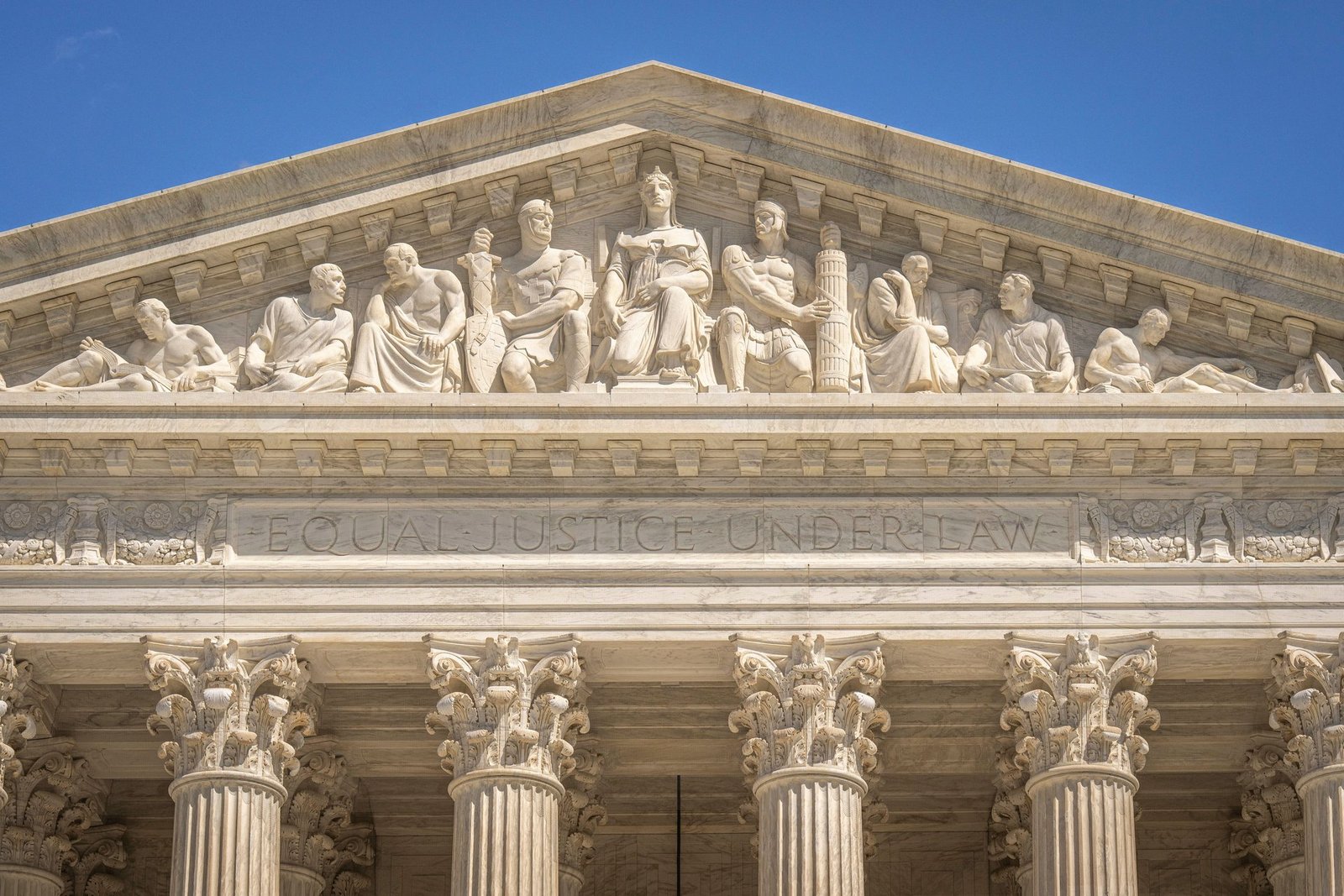
In a significant legal development ahead of the upcoming by-elections in West Bengal, the Supreme Court has declined to entertain a petition challenging the State Election Commission’s decision on the State Identification Register (SIR). This ruling arrives just days before the crucial electoral event, which is set to occur on October 6.
The by-elections will be held in the constituencies of Rejinagar and Nandigram, with local voters expressing anticipation and concern regarding the implications of the SIR. The petitioners, who had previously sought the tribunal’s intervention, were hoping for a favorable ruling from the apex court that could potentially influence the by-poll process.
The Supreme Court’s decision to reject the plea means that the current stance on the SIR will remain unchanged, thus impacting the electoral landscape as voters prepare to cast their ballots. The SIR is a crucial mechanism tied to voter identification and registration, and any changes or disputes surrounding it can have significant repercussions for the legitimacy and fairness of the electoral process.
Context of the By-elections
These by-elections are seen as critical, not only for the constituencies involved but also for the broader political dynamics within West Bengal. Both Rejinagar and Nandigram have been focal points in previous electoral contests, attracting considerable attention from various political parties.
As the date for the by-elections approaches, the rejection of the petition may lead to a sense of uncertainty among voters, particularly those who were seeking relief through judicial means. The implications of this ruling could affect voter turnout and the overall atmosphere of the elections.
Implications of the Supreme Court’s Decision
The Supreme Court’s dismissal of the plea underscores the judiciary’s current position on electoral matters related to the SIR, which is integral to ensuring a robust electoral process. By maintaining the status quo, the court has effectively sidelined any immediate changes that might have benefited the petitioners.
This decision may also reflect the court’s stance on not intervening in electoral processes unless there are substantial grounds for concern about procedural fairness. As a result, political parties and candidates will need to adapt their strategies in light of this ruling, focusing on mobilizing their base and addressing voter concerns without the expected changes to SIR.
Looking Ahead
With the by-elections just around the corner, all eyes will be on the performance of various political parties in Rejinagar and Nandigram. The absence of judicial intervention regarding the SIR may influence voter sentiments and decisions, adding an additional layer of complexity to the electoral process.
The outcomes of these by-elections could potentially reshape the political landscape in West Bengal, making it imperative for candidates to engage with voters effectively. As preparations continue, the implications of the Supreme Court’s ruling will be closely monitored by political analysts and stakeholders alike.