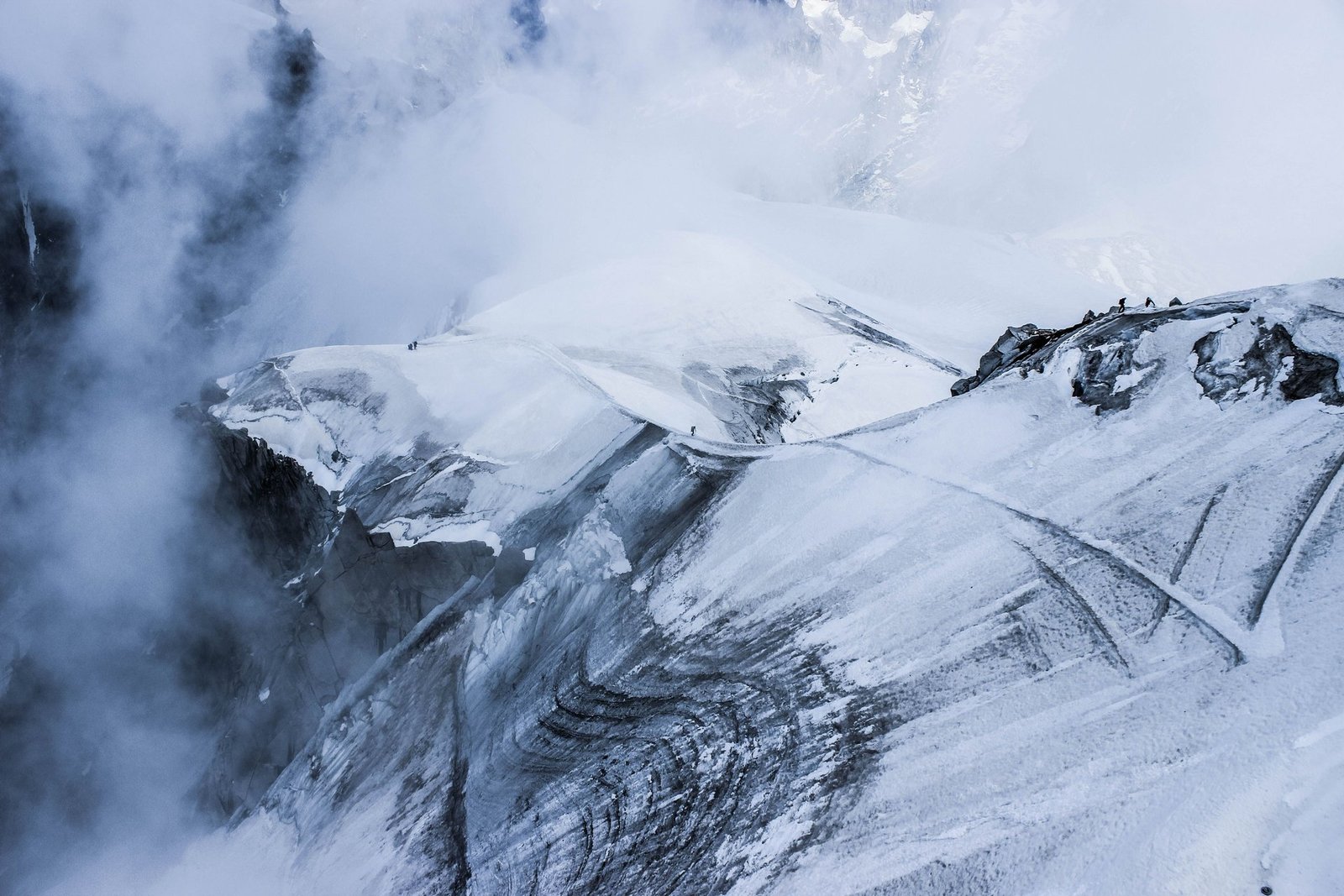
Recent data reveals a significant reduction in Swiss glacier ice in 2026, marking one of the worst years on record. This decline, attributed to intense summer heatwaves, has resulted in the loss of over 5% of the nation’s remaining glacier ice within just a year. Experts describe this level of melting as “extraordinary” and warn of its implications for future water supply.
Impact on Water Supply and Risks
The rapid disappearance of glacier ice poses a threat to water resources crucial for agriculture, hydropower, and transportation. Additionally, the loss of glaciers can destabilize mountain slopes, increasing the risk of landslides and flash floods, as evidenced by the recent disaster in Nepal. Scientists highlight that long-term glacier thinning and thawing of frozen ground have exacerbated these risks.
Although the shrinking of Swiss glaciers is expected due to climate change driven by fossil fuel emissions, the speed at which they are melting is alarming. Previously, a 2% annual ice loss was considered extreme, yet this year that figure has reached approximately 5.5%. Dr. Matthias Huss, director of Glacier Monitoring Switzerland, describes the situation as “disastrous.”
Heatwaves and Snow Loss
The glaciers began the summer with less snow cover than usual due to a mild winter, and this snow quickly melted during early heatwaves in May and June. The exposure of the underlying glacier ice, which absorbs more solar energy, left them vulnerable to accelerated melting in subsequent heatwaves. Dr. Fabien Maussion from the University of Bristol notes that such rapid ice loss was once unimaginable.
Between July and September, Swiss glaciers released an estimated 2.2 trillion liters of meltwater. While this helped alleviate summer water shortages, it also significantly depleted the frozen water reserves. Dr. Huss warns that smaller glaciers may struggle to replenish water levels, posing long-term challenges.
Record Low Water Levels
This summer, the River Rhine saw record low water levels, disrupting shipping routes and increasing transportation costs. Alarmingly, researchers found no snow remaining even at the highest measurement sites, traditionally snow-covered, at 3,500 meters above sea level. In some areas, up to four meters of ice loss was recorded at the highest points.
Snow acts as “glacier food,” eventually compressing into ice. Without summer snow, glaciers cannot replace the ice lost at lower elevations, leading to a gradual decline and potential disappearance. Dr. Maussion compares the process to watching an ice cube melt.
Hope Through Emission Reductions
Despite the bleak outlook for many Alpine glaciers, scientists emphasize that significant reductions in carbon emissions can still preserve much of the world’s glacier ice. This is especially true for the Himalayas and polar regions where most of the planet’s ice is located. Protecting these areas could help mitigate global sea level rise, impacting billions living in coastal regions.
Dr. Huss stresses the importance of climate protection, stating that saving or stabilizing these ice masses could make a substantial difference globally.