The northeastern region of Syria has recently experienced a significant setback as reports emerge of damage inflicted on one of the country’s oil pipelines. This incident has been characterized by local authorities as a “sabotage attack,” raising concerns about the security and stability of the region’s oil infrastructure.
In the context of an ongoing civil war that has ravaged the nation, the state of Syria’s oil, gas, and electricity sectors has deteriorated markedly. Following the collapse of Bashar al-Assad’s long-standing regime in late 2024, the country has faced immense challenges in restoring these critical services.
Prior to the civil war, Syria was relatively self-sufficient in energy production, but the conflict has drastically altered this landscape. Now, the nation finds itself increasingly dependent on imports to satisfy its energy demands, a vulnerability that is exacerbated by acts of sabotage such as the recent pipeline damage.
Impact of the Sabotage on Oil Supply
The damage to the oil pipeline not only disrupts the immediate supply of oil but also raises alarms about the broader implications for Syria’s energy security. Given the already fragile state of the country’s energy sectors, further attacks could lead to prolonged shortages and exacerbate the humanitarian crisis affecting millions of Syrians.
As the nation struggles with the aftermath of war, the loss of oil production capabilities due to sabotage poses a significant obstacle to recovery efforts. The government has been forced to focus on securing its remaining infrastructure, which is critical for both economic stability and the provision of essential services to the population.
Context of Ongoing Conflict
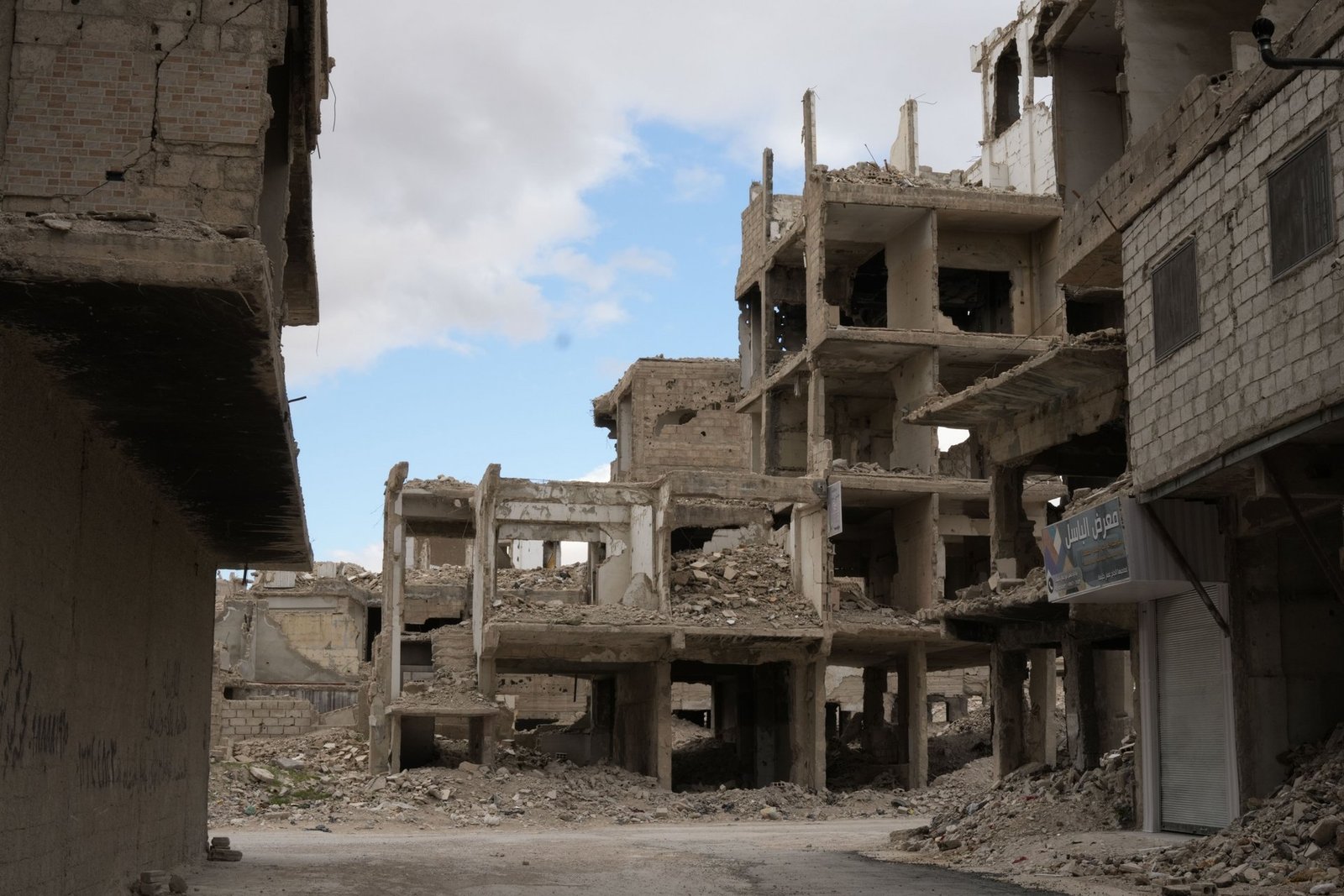
The events leading to this pipeline incident can be traced back to the protracted civil conflict that began more than a decade ago. The fighting has left the country in ruins, with many towns and cities suffering extensive damage. Efforts to restore order and rebuild the economy have been hampered by a lack of resources and ongoing violence.
International observers have noted that the instability in the region not only affects Syria but also has repercussions for neighboring countries and global energy markets. The sabotage of key infrastructure highlights the persistent risks that undermine efforts for peace and recovery.
Looking Ahead
In the wake of this incident, it remains to be seen how the Syrian government will respond to the attack on its oil pipeline. Authorities may need to enhance security measures to protect vital energy infrastructure from future threats.
Additionally, the international community’s role in providing support and resources could be critical in helping Syria stabilize its energy sectors and reduce its reliance on imports. The current situation underscores the urgent need for a comprehensive approach to address both immediate security concerns and long-term economic recovery.
As Syria navigates these challenges, the importance of restoring its energy independence becomes increasingly apparent. Any further disruptions to oil production could have dire consequences for the nation’s path toward stability and recovery.