[ad_1]
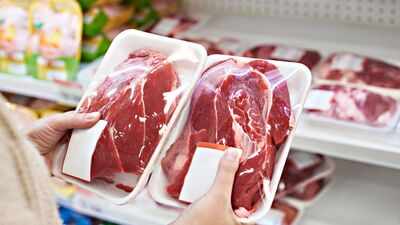
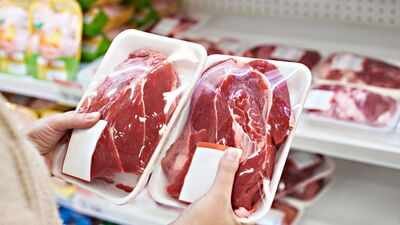
A packet of meat can look fresh on the supermarket shelf even while bacteria are already multiplying inside. By the time a spoiled smell, discolouration or slimy texture becomes obvious, indicating that the meat has gone stale, the food may no longer be safe to eat.To find a solution to this, researchers at Kyushu University in Japan are working on a packaging material that could give consumers an earlier warning. Their new “smart” hydrogel film changes colour as meat begins to spoil, shifting from purple-red to yellow-green. The flexible material can also repair small cuts in its surface, potentially helping prevent bacteria from entering through damage caused during transport or handling. The research, titled ‘ Self-healing cellulose-based hydrogel smart packaging embedded with anthocyanin-immobilized metal–organic frameworks for food preservation and freshness monitoring‘ published in the Chemical Engineering Journal (2026), combines natural plant pigments with advanced porous materials to create packaging that can monitor freshness without requiring the package to be opened, according to a report by Phys.org. Why meat changes as it spoilsFresh meat has a mildly acidic chemical environment. As bacteria begin breaking down proteins, they release alkaline compounds and gases. This causes the meat’s pH level to rise gradually, often before visible spoilage appears.That chemical shift is what the new packaging is designed to detect. Instead of testing the meat directly, the film responds to the gases building up inside the sealed package. A shopper could potentially look at the film and see whether the contents are still fresh, beginning to deteriorate or close to spoilage, according to Phys.org.The idea belongs to a growing field known as intelligent food packaging. Unlike conventional packaging, which simply protects food from the outside environment, intelligent packaging can respond to changes in temperature, moisture, acidity or gases and provide information about the condition of the food.
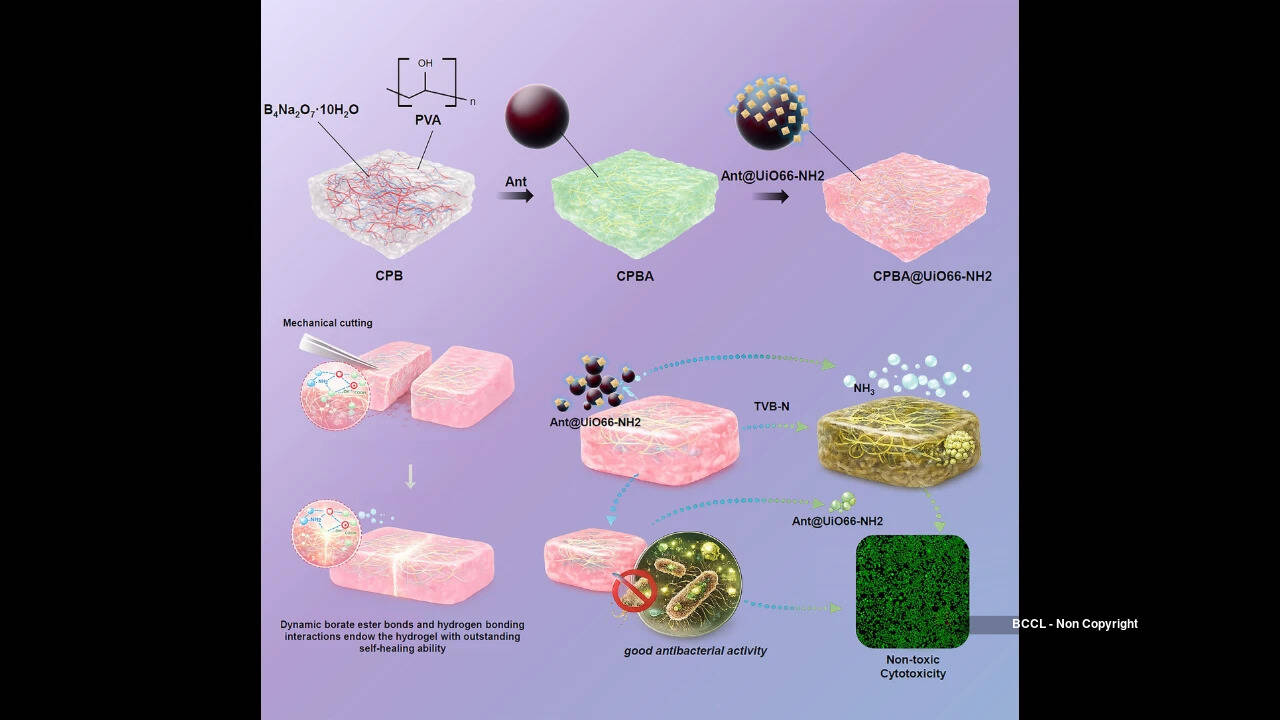
Photo: Science Direct
The colour-changing ingredientThe key ingredient in the Kyushu University material is anthocyanin, a natural pigment found in plants such as red cabbage, berries and purple sweet potatoes. Anthocyanins are responsible for many of the red, purple and blue colours found in fruits and vegetables.They are also sensitive to pH.Under more acidic conditions, anthocyanins can turn purple or reddish. As the environment becomes more alkaline, their color can shift to green or yellow. This means they can be used as natural chemical indicators. The researchers used anthocyanins extracted from purple sweet potatoes, an inexpensive and widely available crop. But natural pigments can be unstable. Light, heat and oxygen can cause them to fade or change in unpredictable ways, which could give rise to confusing or inaccurate freshness signals.To solve that problem, the team attached the pigment to a material called UiO-66-NH₂, a type of metal-organic framework, or MOF.A protective framework for the pigmentMetal-organic frameworks have tiny pores and a large internal surface area. They are used in research involving gas storage, chemical separation and sensing.The material in this project acted as a protective scaffold for the anthocyanin molecules. The pigment molecules were anchored to the surface of the MOF by a number of chemical interactions.This helped hold them in place and shielded them from some of the oxygen, heat and light that can cause natural pigments to degrade.The important point is that the pigment remained sensitive to the chemical changes associated with spoilage. It was protected from unwanted damage but still reacted when alkaline gases from decomposing meat accumulated inside the package.In tests using pork, the film gradually changed from purple-red to yellow-green as the meat spoiled. Rather than producing only a simple “fresh” or “rotten” signal, the gradual transition could potentially give a visual indication of the food’s changing condition.Packaging that repairs itselfThe material does more than display a colour warning. The researchers also incorporated the protected pigment into a hydrogel, creating a soft and flexible film that can be shaped for packaging applications.Hydrogels are water-rich polymer materials that can stretch, bend and hold other substances within their structure. In the new design, the hydrogel is largely plant-derived and biodegradable, which could make it more environmentally attractive than conventional petroleum-based plastic packaging.The film also showed self-healing properties.When researchers cut it and pressed the damaged surfaces back together, the wound became almost invisible within minutes. After approximately two hours, the material recovered about 99% of its tensile strength.That feature could be important in real-world packaging. A small tear or crack in a conventional package remains permanent and may create an opening through which bacteria, oxygen or moisture can enter. A self-healing material could close some of those gaps and maintain its protective function for longer.It may also extend shelf lifeIn pork packaging tests, the hydrogel material extended shelf life by about 12 hours compared with untreated samples.That may not sound like a huge improvement, but even half a day may help to reduce waste in transport, storage and retail display. A longer usable window could be especially useful for fresh meat, which must be kept under tightly controlled conditions. Retailers could have more leeway in managing stock, while consumers could have extra time to prepare or safely store their purchases.The film would not replace refrigeration or safe food-handling practices. It would function as an added monitoring and protection layer rather than a guarantee that food is safe under every condition.A possible smartphone connectionThe researchers are now exploring a smartphone application that could provide a more objective way to interpret the film’s colour. Human perception can vary, especially under different lighting conditions. A phone camera could potentially analyse the shade and provide a clearer freshness reading.Such a system could be useful at several stages of the food supply chain. Producers, logistics companies and retailers could monitor products during transport, while shoppers could use the same technology at home.A digital reading might also help record when food began to deteriorate, allowing suppliers to identify problems with temperature control or storage.But the technology is still under development and will need further testing before it becomes part of everyday commercial packaging. What happens next? The Kyushu University research is still a prototype, rather than a product you can buy in supermarkets at the moment. Researchers will need to test how the hydrogel works with different foods, temperatures, humidity levels and packaging designs. They will also need to confirm how closely the color change is correlated with established measures of microbial growth and food safety.Packaging materials have to satisfy stringent regulatory requirements before they can be used commercially, particularly when they’re placed in close proximity to food. And yet, notwithstanding those challenges, the concept presents an appealing vision of future food storage. Rather than relying on guessing whether meat is still fresh based on a printed expiry date, shoppers could receive a visible signal from the package itself. The work demonstrates how natural ingredients, nanotechnology and biodegradable materials can be combined to make packaging more informative and resilient. A simple color change, from purple-red to yellow-green, could one day help consumers reduce food waste, avoid spoiled products and make safer decisions without opening the package.
[ad_2]
Source link