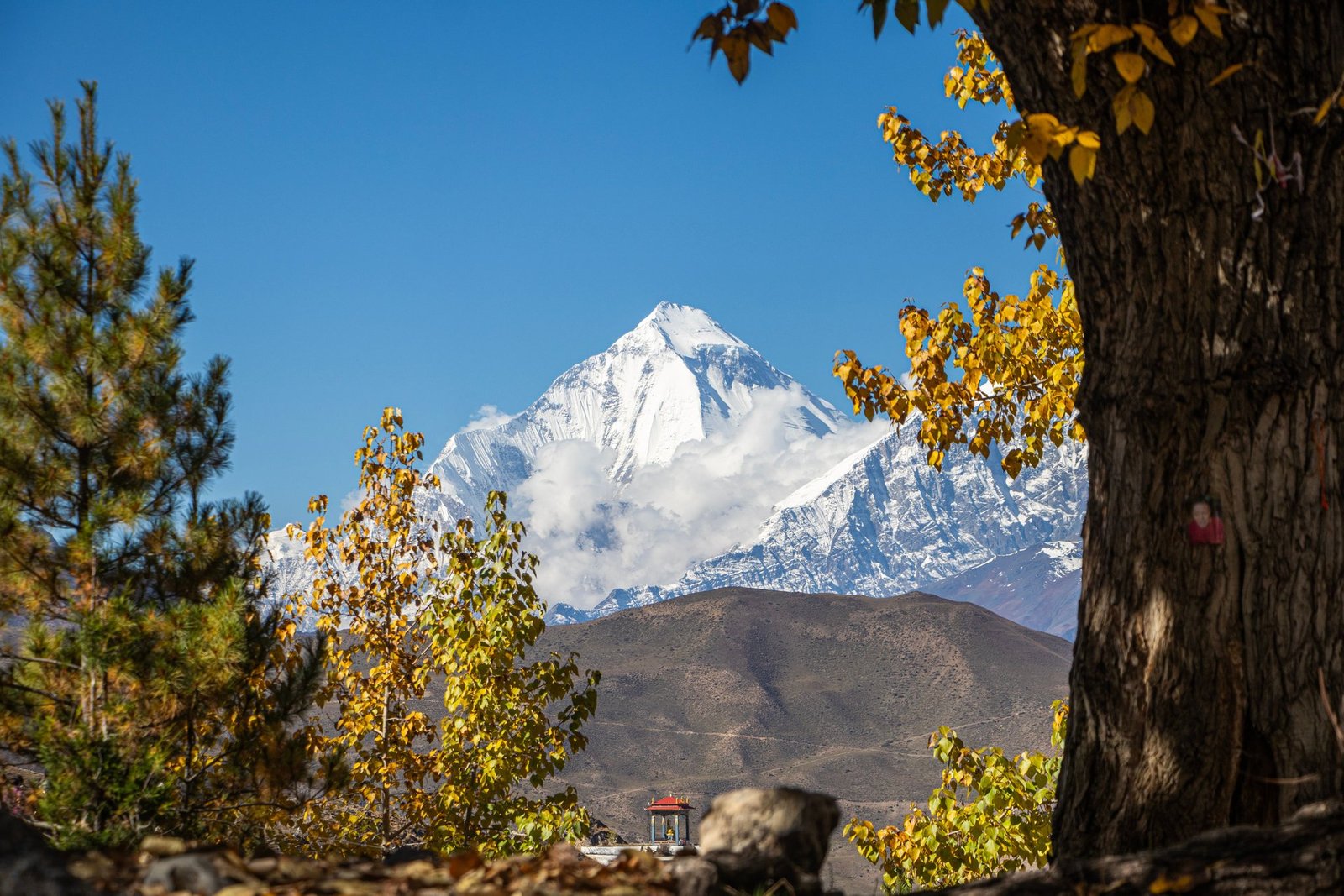
A devastating avalanche hit the base camp of Himlung Himal, a towering peak in Nepal standing at 7,126 meters, resulting in a tragic loss of life and leaving several climbers unaccounted for. The incident occurred in the Nar Phu region, a popular destination for mountaineers. Reports indicate that the avalanche buried a tent that was providing shelter to climbers and their support staff, leading to immediate concerns for their safety.
Details of the Incident
On the day of the avalanche, a group consisting of nine climbers and 13 support personnel was at the base camp when the disaster struck. The powerful snow slide overwhelmed the camp, engulfing the tent where the climbers were seeking refuge. Eyewitness accounts from fellow climbers suggest that the avalanche was sudden and unexpected, catching the team off guard.
Rescue operations commenced shortly after the avalanche, with local authorities and rescue teams mobilizing to search for those who are missing. Unfortunately, as of the latest reports, two lives have been confirmed lost in this tragic event, while ten individuals remain unaccounted for, prompting fears for their safety.
The Climbers Involved
The victims of this unfortunate incident are part of a larger group of adventurers who had come to Nepal to tackle the challenges posed by Himlung Himal. This peak is known for its technical climbing routes and harsh weather conditions, attracting skilled climbers from around the world. The Nar Phu area, while beautiful, presents significant dangers, especially during times of bad weather.
Authorities have yet to release the names or nationalities of the climbers involved, but the incident has drawn attention to the inherent risks associated with high-altitude mountaineering. The tragedy serves as a somber reminder of the unpredictable nature of mountain environments, where avalanches can occur without warning.
Rescue Efforts and Future Implications
Rescue efforts are currently ongoing, with teams working tirelessly to locate the missing climbers. Helicopters and ground teams are being deployed to scour the area for any signs of life. However, the challenging terrain and adverse weather conditions are complicating these efforts, making it difficult for rescuers to navigate the site effectively.
This tragic avalanche raises significant questions about the safety protocols in place for climbers in Nepal. As the country continues to be a prime destination for adventurers, discussions around improving safety measures and response strategies in high-risk areas are likely to gain momentum. Authorities may need to reassess regulations concerning climbing expeditions and ensure that adequate support systems are in place for climbers.
The global climbing community is also expected to rally in support of the victims’ families while emphasizing the importance of safety and preparedness in the face of nature’s unpredictability.