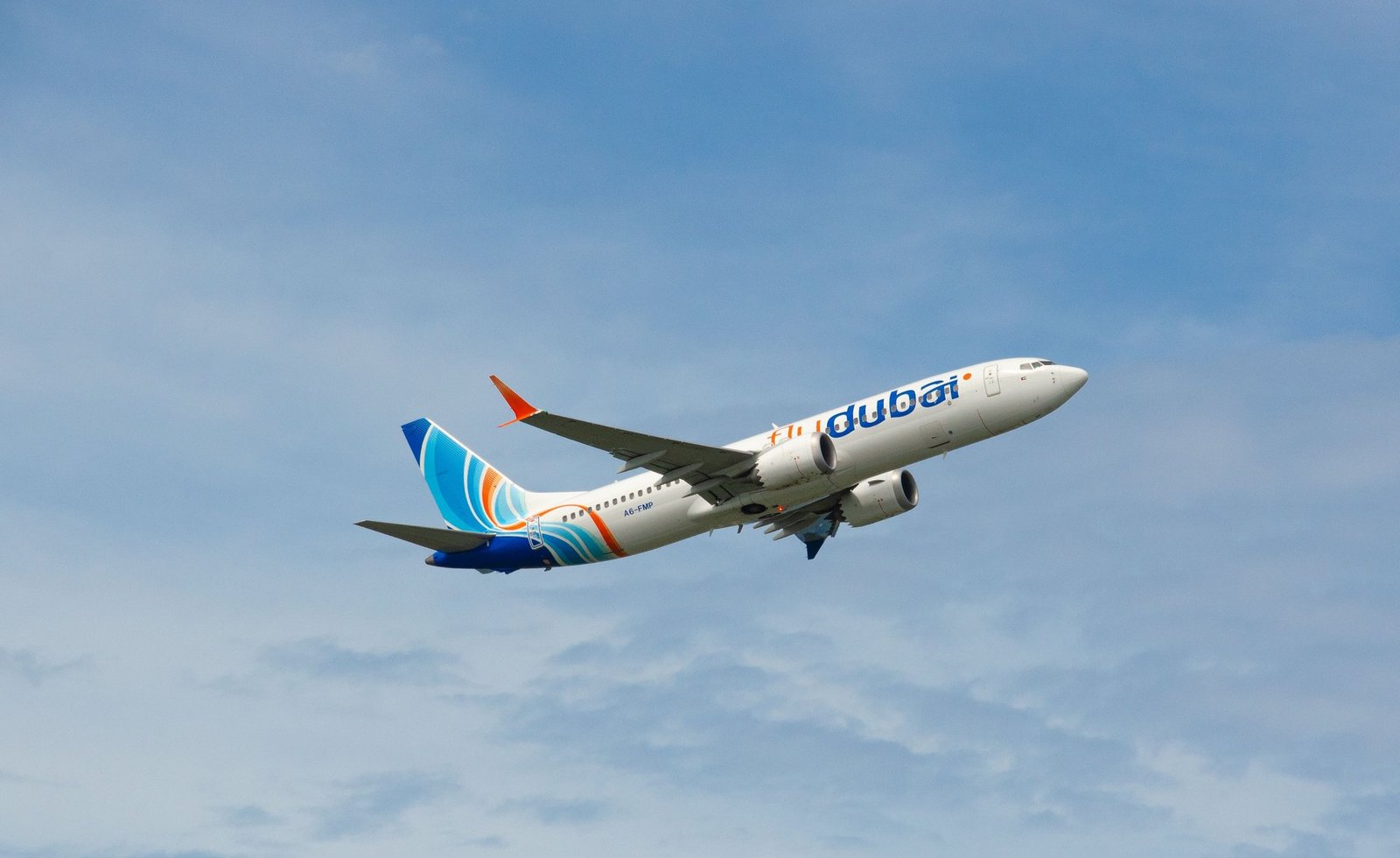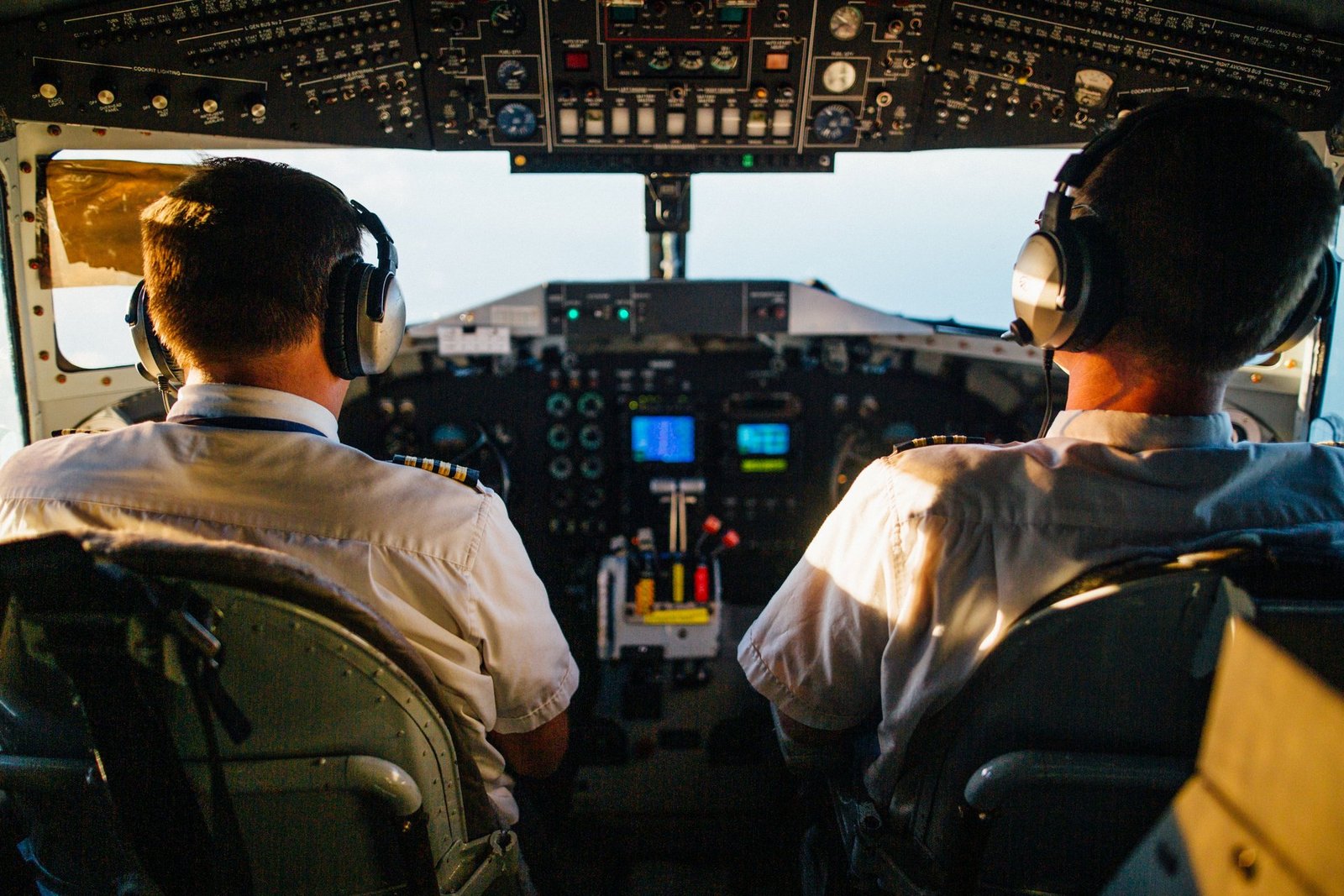
In a shocking incident that has raised concerns about aviation security, a co-pilot allegedly attacked his captain on a flydubai flight bound for Israel. This unsettling event has caught the attention of global leaders, including US President Donald Trump, who spoke about the situation on Wednesday.
Details of the Incident
The incident took place during a flight operated by flydubai, a well-known airline based in the United Arab Emirates. Reports indicate that the attack occurred mid-flight, resulting in serious injuries to the captain, identified as Smit Machchhar. While the specifics surrounding the attack remain murky, the violent nature of the incident has sparked widespread alarm.
As authorities investigate the circumstances leading to the attack, questions regarding the motive behind the co-pilot’s actions remain unanswered. Eyewitness accounts and recordings from the cockpit are likely to play a crucial role in understanding what transpired during the flight.
Global Reactions
In response to the attack, President Trump reached out to Israeli Prime Minister Benjamin Netanyahu to discuss the incident. This conversation underscores the international implications of the attack, particularly given the sensitive nature of flights to Israel and the potential for political ramifications.
Trump’s comments reflect his concern not only for the immediate safety of those involved but also for broader issues related to air travel security. The incident comes at a time when global aviation faces numerous challenges, including threats from terrorism and internal conflicts within airline crews.
Importance of the Incident
This attack on a pilot by a co-pilot is a rare occurrence and raises significant issues regarding the safety protocols in place within the aviation industry. As investigations unfold, it will be crucial to assess how such an incident could happen and what measures can be implemented to prevent similar occurrences in the future.
The implications of this event extend beyond the immediate incident; it has the potential to influence public perception of airline safety. Passengers may become increasingly wary of flying, particularly on international routes. Airlines worldwide may also feel pressure to enhance their security measures and crew training programs to ensure that such incidents do not happen again.
Next Steps
As the investigation continues, aviation authorities are expected to conduct a thorough review of the incident. This includes looking into the mental health of the co-pilot, his background, and any previous incidents that could have indicated potential risks. Additionally, regulatory bodies may consider implementing new guidelines aimed at strengthening the safety of airline crews and passengers alike.
In the coming days, more information is likely to emerge as authorities piece together the events leading up to the attack. The global aviation community will be watching closely to see how this incident will shape future policies and safety protocols.