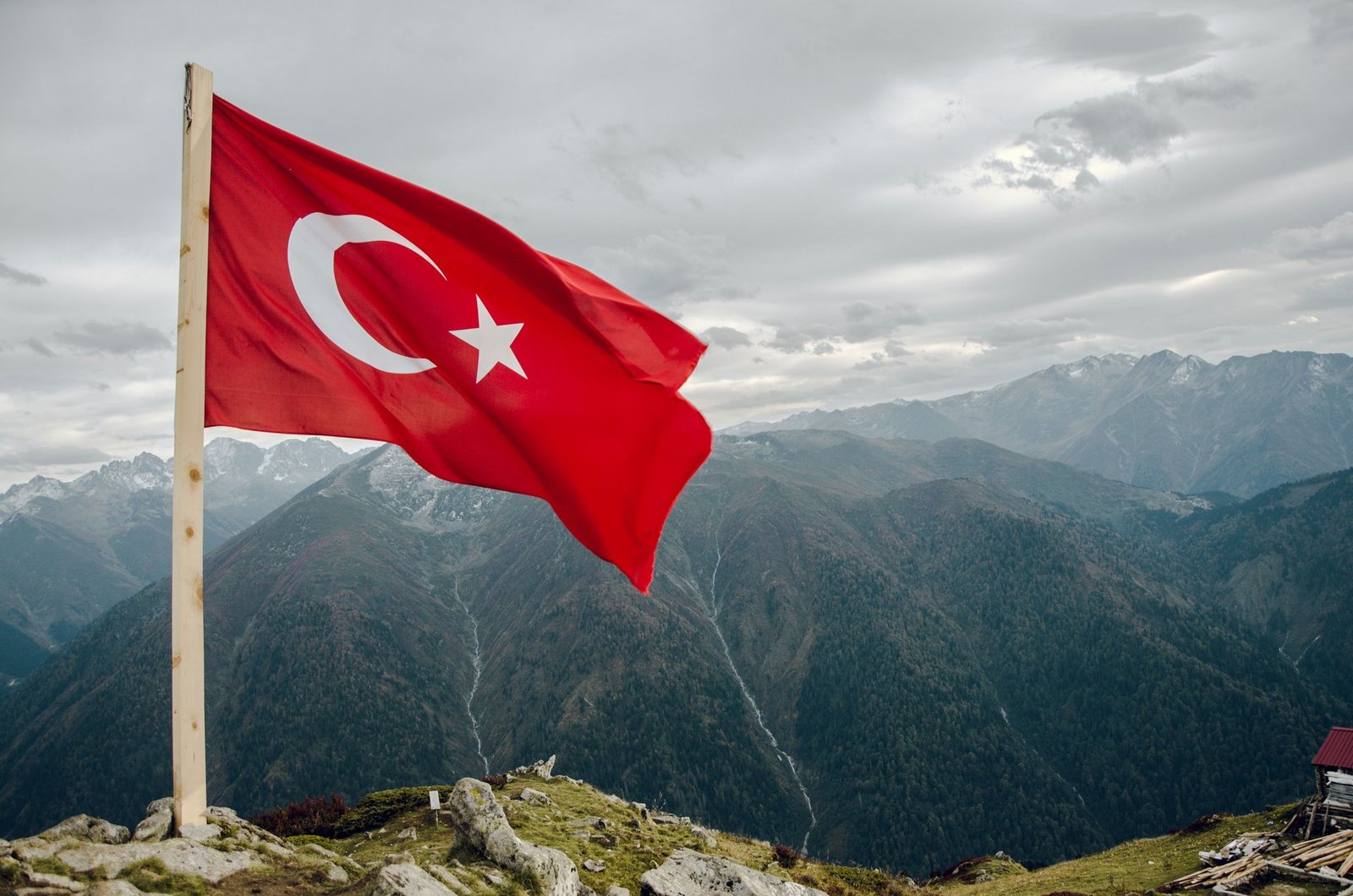
In a significant development on the global diplomatic stage, Turkey has echoed India’s call for reforming the United Nations Security Council (UNSC). This call for change comes against the backdrop of longstanding discussions about the structure and effectiveness of the UNSC, which has not seen any modifications to its permanent membership since its inception in 1945.
The UNSC was established to maintain international peace and security following the devastation of World War II. At that time, the founding nations recognized the necessity of having a body that could respond swiftly to global crises. However, the structure of the Council, particularly the five permanent members—China, France, Russia, the United Kingdom, and the United States—has led to criticisms regarding its relevance and functionality in today’s multipolar world.
Historical Context of UNSC Membership
The five nations that hold permanent seats on the UNSC were granted this status based on their significant roles during World War II and the influence they wielded in the post-war reconstruction era. Each of these countries possesses veto power, which allows them to block any substantive resolution, regardless of the majority’s support. This has resulted in a disproportionate influence over critical global issues, often sidelining the voices of many developing nations.
Over the decades, various nations have voiced their concerns about the UNSC’s composition. Many advocate for the inclusion of emerging powers and representatives from different regions to reflect modern geopolitical realities. Turkey’s recent support for reform aligns it with India, which has been a vocal advocate for expanding the Council’s permanent membership to include countries like itself, Brazil, Germany, and Japan.
The Importance of Reforming the UNSC
The need for reform in the UNSC is underscored by the growing complexity of global challenges, from climate change and terrorism to humanitarian crises. As the world becomes increasingly interconnected, the expectation for a representative and efficient UNSC grows stronger. Reform advocates argue that an updated Council would better address contemporary issues and enhance its legitimacy.
Turkey’s alignment with India on this matter signifies a broader consensus among nations that are seeking a more equitable international order. By advocating for changes, both countries hope to ensure that the voices of developing nations are better represented in global decision-making processes, thus fostering greater cooperation and understanding in international relations.
Next Steps in the Reform Agenda
The calls for a reformed UNSC will likely lead to renewed discussions at various international forums, including the upcoming sessions of the United Nations General Assembly. Countries that support reform will need to unite and strategize on how to present a cohesive proposal that addresses the concerns of both existing permanent members and those seeking inclusion.
As the dialogue progresses, it will be crucial for advocates of reform to demonstrate the potential benefits of an expanded and more balanced UNSC. This could involve showcasing examples of successful multilateral cooperation in addressing global issues, thereby building a compelling case for change.