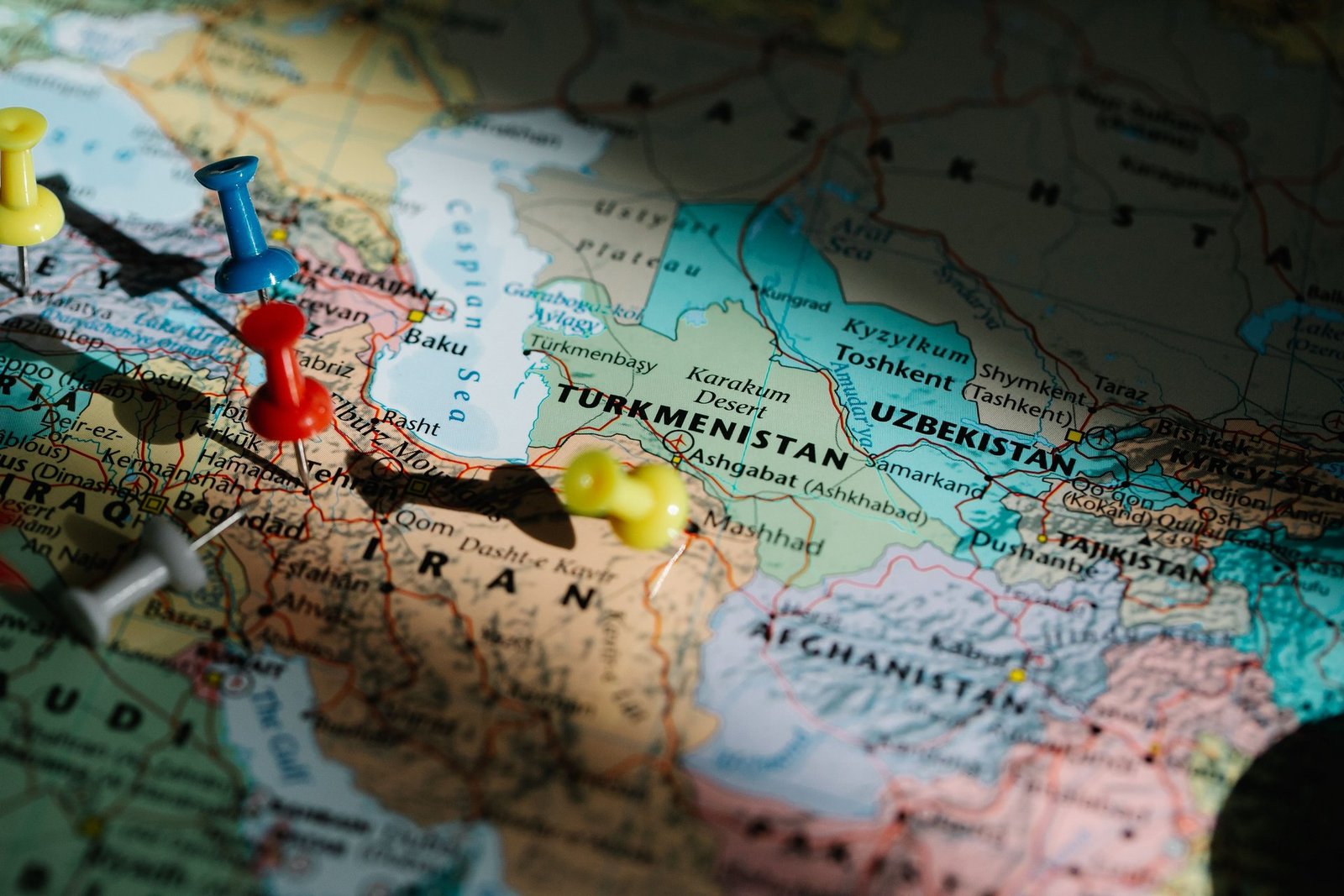
Recent developments in the Middle East have significantly influenced the global oil market, particularly concerning diesel prices. The Strait of Hormuz, a critical passage for oil shipments, has faced disruptions due to actions taken by Iran. This strategic chokepoint is responsible for the transport of approximately 20 million barrels of crude oil each day, making any obstruction a matter of global economic concern.
Iran’s Strategic Move and Its Consequences
Iran’s decision to block the Strait of Hormuz has had immediate repercussions for oil exports. The closure of this vital maritime route not only affects crude oil prices but also has a cascading effect on refined products like diesel. The restriction on oil flow has led to an increase in prices as global markets react to the potential supply shortages.
In response to these challenges, Saudi Arabia has taken proactive measures to mitigate the impact on its oil exports. The kingdom has begun rerouting some of its oil shipments to the Red Sea, which provides an alternative pathway for tankers. This strategy aims to ensure that the flow of crude oil remains steady, even amidst regional tensions.
The Resumption of Tanker Transits and Market Reactions
As Saudi Arabia adapts to the shifting landscape, some tankers have started to resume their journeys through the region, albeit under heightened scrutiny and with increased risks. This partial reopening of shipping routes may help stabilize crude oil prices in the short term; however, the underlying tension in the Strait of Hormuz continues to pose a threat to long-term market stability.
The dynamics of supply and demand are crucial in understanding the current surge in diesel prices. With the disruption of crude oil supplies, refiners may be compelled to adjust their outputs to meet the heightened demand for diesel, which is often viewed as a more stable and essential fuel for transportation and industry compared to crude oil itself.
Future Implications for the Oil Market
The ongoing situation highlights the vulnerability of global oil markets to geopolitical tensions. Analysts are closely monitoring the developments in the Strait of Hormuz, as any further escalations could lead to more significant price fluctuations, not just for crude oil but for refined products like diesel as well.
As the world watches how these events unfold, the implications of Iran’s actions and Saudi Arabia’s countermeasures will be felt across various sectors. The interplay between crude oil and diesel pricing will remain a critical focus for businesses and consumers alike as they navigate the complexities of the global oil market.