In a significant escalation of tensions between the Trump administration and major media outlets, several prominent networks have decided to boycott coverage of former President Donald Trump. This decision comes in response to a recent directive from Trump that prohibits certain organizations from reporting on his activities.
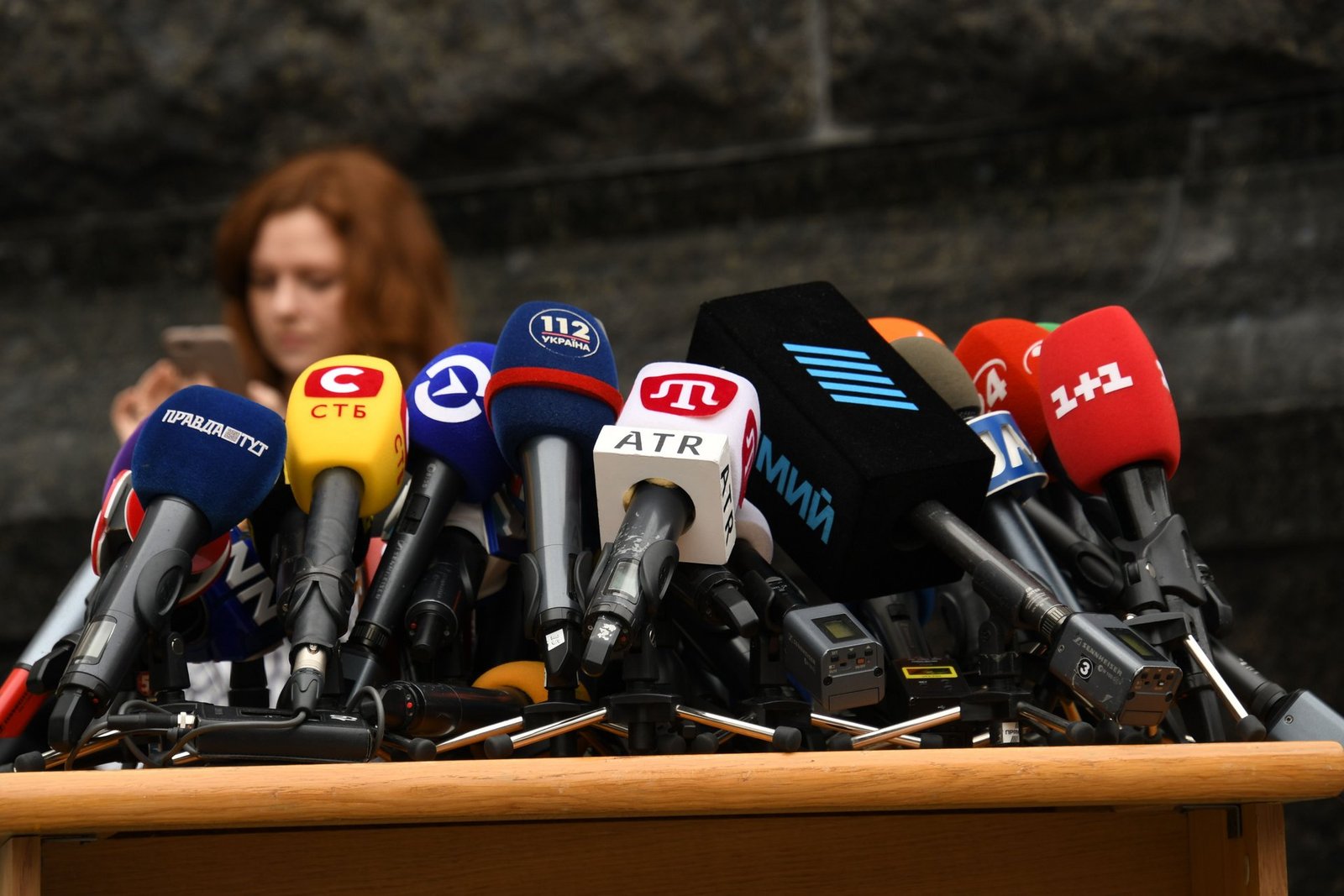
Among the networks that are joining this boycott are CNN, MS NOW, and Politico. These media entities have taken a collective stand, indicating a growing discontent with Trump’s longstanding adversarial approach towards the press. This move is not merely a reaction to the ban but is rooted in the broader context of Trump’s history of contentious relations with the media.
Background on Trump’s Media Relations
Donald Trump, who has been a polarizing figure in American politics, has consistently criticized media organizations, labeling them as ‘fake news’ and accusing them of bias. This ongoing battle has created a charged environment where media coverage of Trump often feels like a double-edged sword—necessary for public knowledge yet fraught with conflict.
As Trump embarks on his latest campaign, the stakes have risen even higher. His directive to bar certain media outlets from covering him is viewed as an attempt to control the narrative surrounding his activities and maintain a favorable public image. The implications of such a ban not only affect the targeted outlets but also raise questions about press freedom and the public’s right to information.
The Legal Challenge
In response to Trump’s ban, CNN, MS NOW, and Politico have initiated legal proceedings, seeking to challenge the validity of the directive. The legal landscape surrounding press freedom in the United States is complex, and this case could set a precedent regarding the extent to which public figures can restrict media coverage.
The involvement of these major media networks underscores the importance of maintaining a free and independent press, especially in a democratic society. By taking this step, they are not only defending their right to report but also standing up for the broader principle of accountability in government.
Implications for Future Coverage
The fallout from this boycott and the ensuing legal battle could have lasting effects on how political figures interact with the media. Should the courts side with the media organizations, it would reaffirm the fundamental role of the press in scrutinizing public officials and holding them accountable.
Conversely, if Trump’s ban is upheld, it may embolden other political figures to impose similar restrictions, potentially leading to a chilling effect on journalistic practices. This situation highlights the ongoing struggle between political power and media freedom, a dynamic that is crucial to the health of democracy.
As the legal proceedings unfold, all eyes will be on the outcomes of these challenges and the potential shifts in the landscape of political reporting in the United States. The outcome will not only impact Trump and the involved media organizations but will also resonate throughout the industry, shaping the future of press relations in the political arena.