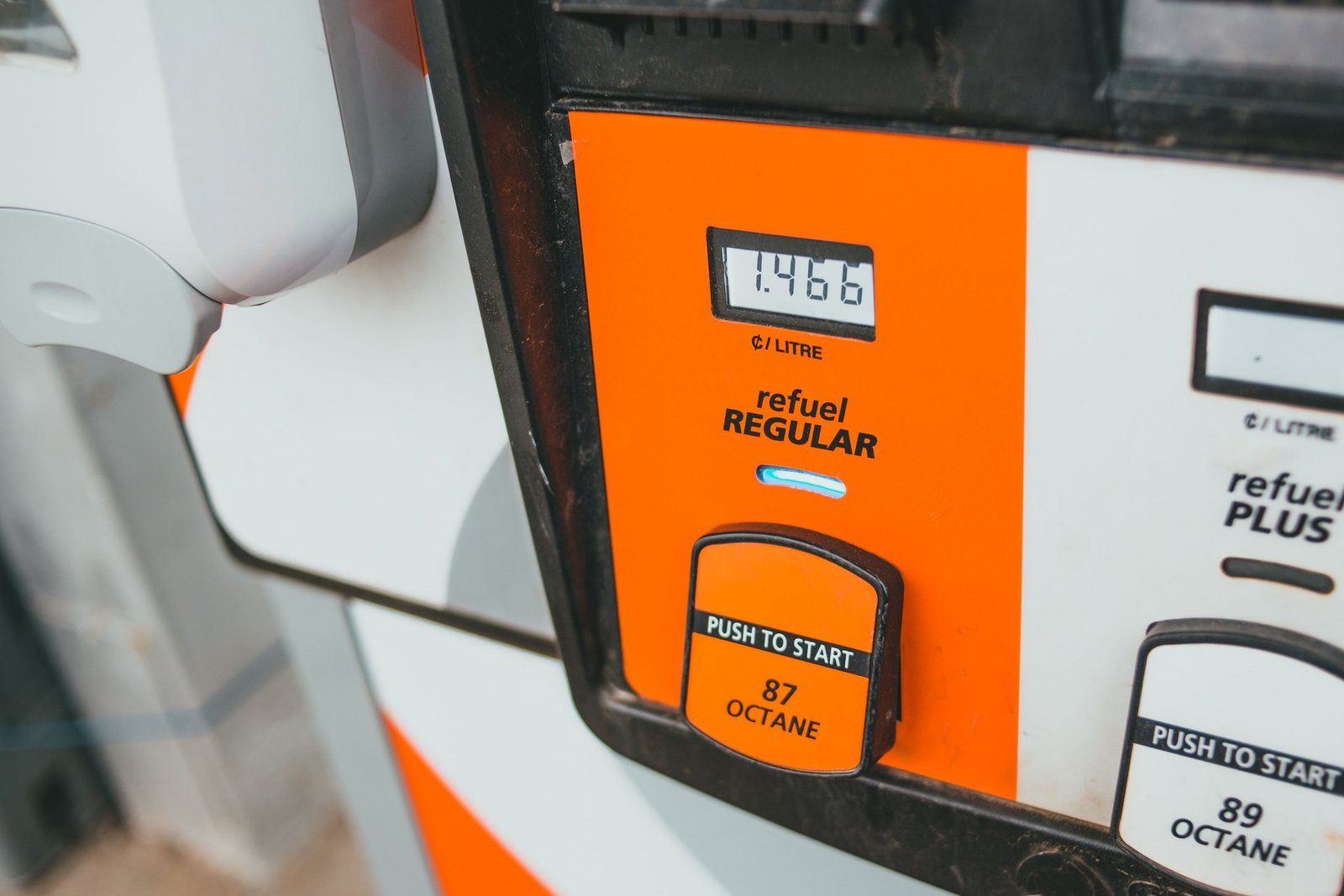
The launch of the Prime Minister’s ambitious fuel subsidy program encountered significant challenges on its first day. Across Pakistan, numerous petrol stations were unable to offer the promised discount of Rs100 per litre due to the unavailability of the requisite digital systems.
Initial Hurdles and Government Response
In response to widespread complaints, Shaza Fatima, the Information Technology Minister, conducted visits to various fuel stations in Rawalpindi. Her goal was to ensure that the reduced-price petrol was accessible to consumers who had registered for the subsidy.
The Pakistan Petroleum Dealers Association (PPDA) had previously expressed concerns about the lack of clarity surrounding the subsidy distribution process. Many dealers feared they would face difficulties in recovering the subsidy amounts.
To address these issues, Petroleum Minister Ali Pervaiz Malik convened a meeting with PPDA representatives. The meeting, which included officials from relevant ministries and was attended via video link by PPDA Chairman Malik Khuda Baksh, aimed to clarify the implementation process of the fuel relief scheme.
Clarifications and Assurances
During the meeting, the State Bank of Pakistan (SBP) outlined the reimbursement process, assuring participants that claims would be processed within 48 hours to ensure timely payments to dealers. The Ministry of IT and Telecommunications also provided an overview of the digital system developed for the scheme.
A dedicated control room has been set up to assist petrol stations with any queries or issues, accessible via the helpline number 9772. Additionally, Rs25 billion has been allocated for the first month of the scheme, with funds earmarked for three months in total.
PPDA Chairman Khuda Baksh expressed support for the initiative, though he noted that a lack of information was causing confusion among dealers. Petroleum Minister Malik emphasized the need for coordination among stakeholders for the scheme’s effective implementation.
OCAC Warns of Supply Chain Disruptions
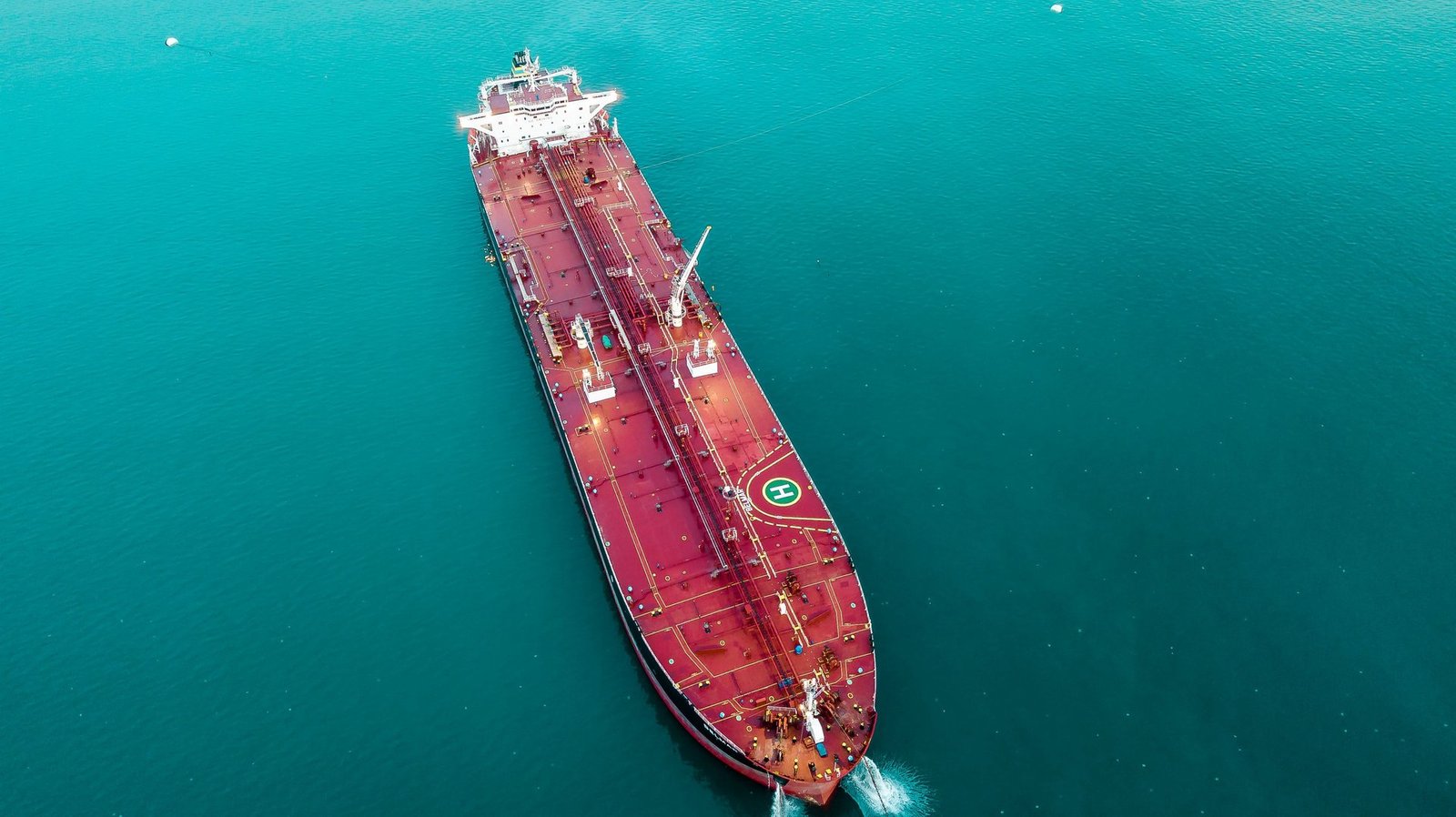
Meanwhile, the Oil Companies Advisory Committee (OCAC) issued a warning regarding potential disruptions to the oil supply chain. They cited Rs67 billion in unresolved price differential claims dating back to March 2026 as a significant concern.
The OCAC’s letter to the Oil and Gas Regulatory Authority (Ogra) highlighted the financial strain on oil companies, which are struggling to maintain an uninterrupted supply chain amid geopolitical tensions. The letter urged Ogra to expedite the verification and settlement of claims, including those related to recent geopolitical crises.
The OCAC also called for a revision of Oil Marketing Companies (OMC) margins, which have not been adjusted since September 2023. They noted that dealer margins had been increased, while OMC margins remained stagnant, despite rising costs.