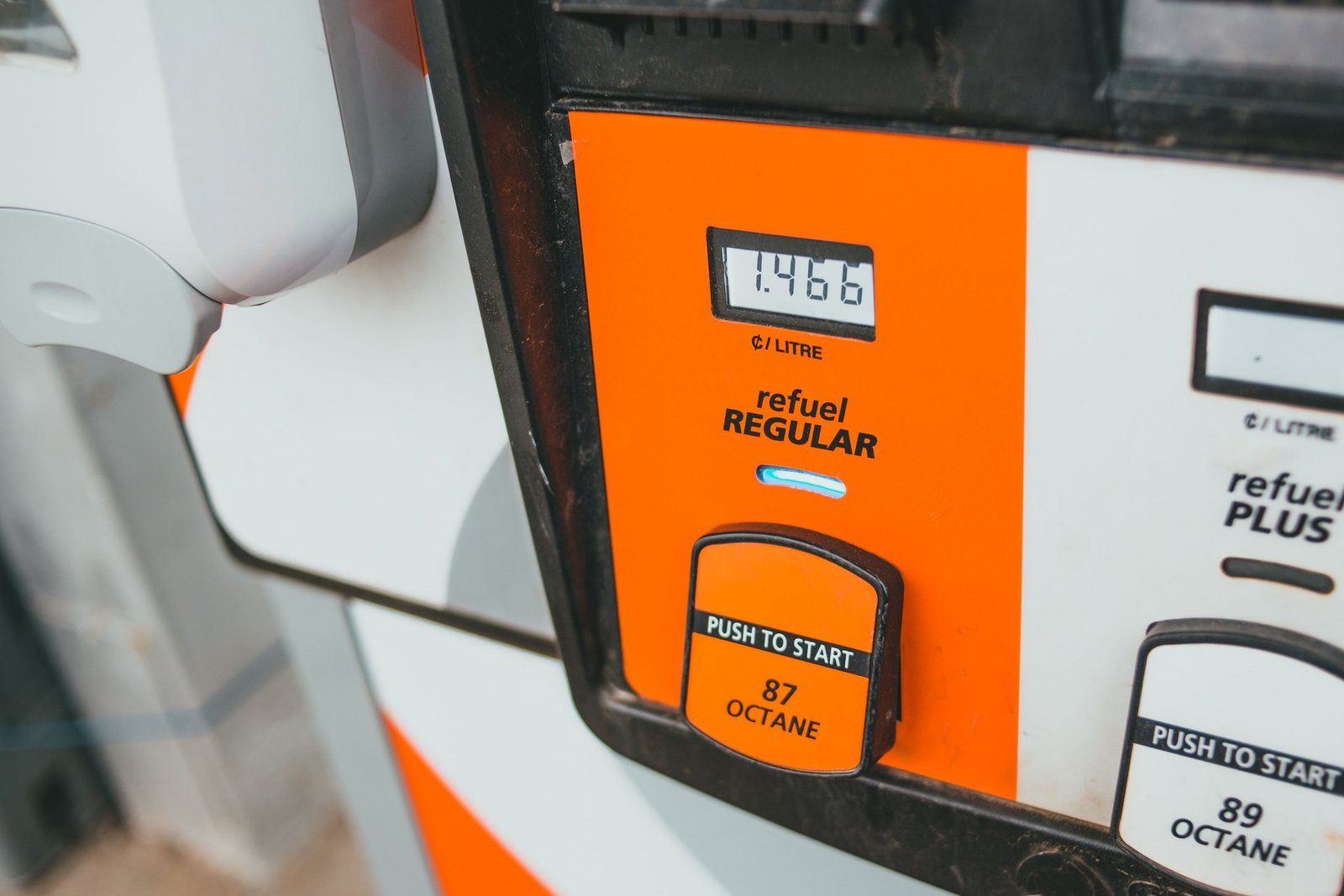
The government has made noteworthy adjustments to fuel prices, announcing a reduction of Rs0.43 per litre for petrol while simultaneously increasing the cost of high-speed diesel (HSD) by Rs3.47 per litre.
Following this adjustment, consumers will find petrol priced at Rs390.79 per litre, whereas HSD will now sell for Rs424.92 per litre. It’s important to note that taxes and duties continue to be significant, with Rs114 per litre imposed on petrol and Rs100 per litre on diesel.
The updated prices will take effect on September 18 (Friday), as stated in a notification from the Petroleum Division. The Oil and Gas Regulatory Authority (OGRA) specified that these changes are influenced by the fluctuations of petrol and diesel prices observed in the international markets.
Market Influences and Historical Context
According to OGRA, the recent price alterations reflect the current dynamics of international market rates, including various premiums and factors affecting fuel pricing.
Historically, the price of HSD had reached a staggering peak of Rs520.35 on April 3, following a significant increase that began from Rs281 per litre after the outbreak of tensions in the US-Iran conflict on February 28. In a similar vein, petrol prices also hit a high of Rs458.41 on April 3, starting from Rs266 in early March.
Government Response to Rising Fuel Costs
In light of increasing fuel prices, the government has reintroduced several austerity measures aimed at mitigating the financial impact on the populace. These measures include mandating that markets close by 9 PM and slashing fuel allocations for official vehicles by 50% over the next three months.
On September 13, Prime Minister Shehbaz Sharif unveiled a “relief scheme” targeting motorcycle users, auto rickshaws, and vehicles with engines up to 800cc, intending to ease the burden caused by escalating global oil prices. According to a statement from the Prime Minister’s Office (PMO), owners of two- and three-wheelers will benefit from a relief of Rs100 per litre on a monthly quota of 20 litres, while those with vehicles up to 800cc will receive similar assistance on a quota of 30 litres per month.
Daily Fuel Price Adjustments and Broader Implications
Earlier in July, Petroleum Minister Ali Pervaiz Malik indicated that fuel prices would be adjusted daily in response to the volatility of international market prices, stemming from renewed conflicts involving Iran and the US. This change marked a shift from the previous weekly announcements of fuel price revisions initiated in early March.
The federal government also rolled out targeted relief measures back in April, which included subsidized fuel provisions. The petroleum minister confirmed that both the cabinet and the prime minister authorized OGRA to determine fuel prices daily, based on prevailing international market conditions.
Petrol primarily serves private transportation, small vehicles, rickshaws, and two-wheelers, meaning that fluctuations in its pricing significantly affect the middle and lower-middle classes. Diesel price changes, on the other hand, have widespread implications as it is predominantly utilized in heavy transport, power generation, and large generators. The combined monthly sales of petrol and HSD are substantial, estimated between 700,000 to 800,000 tonnes, with kerosene demand remaining minimal at about 10,000 tonnes per month.