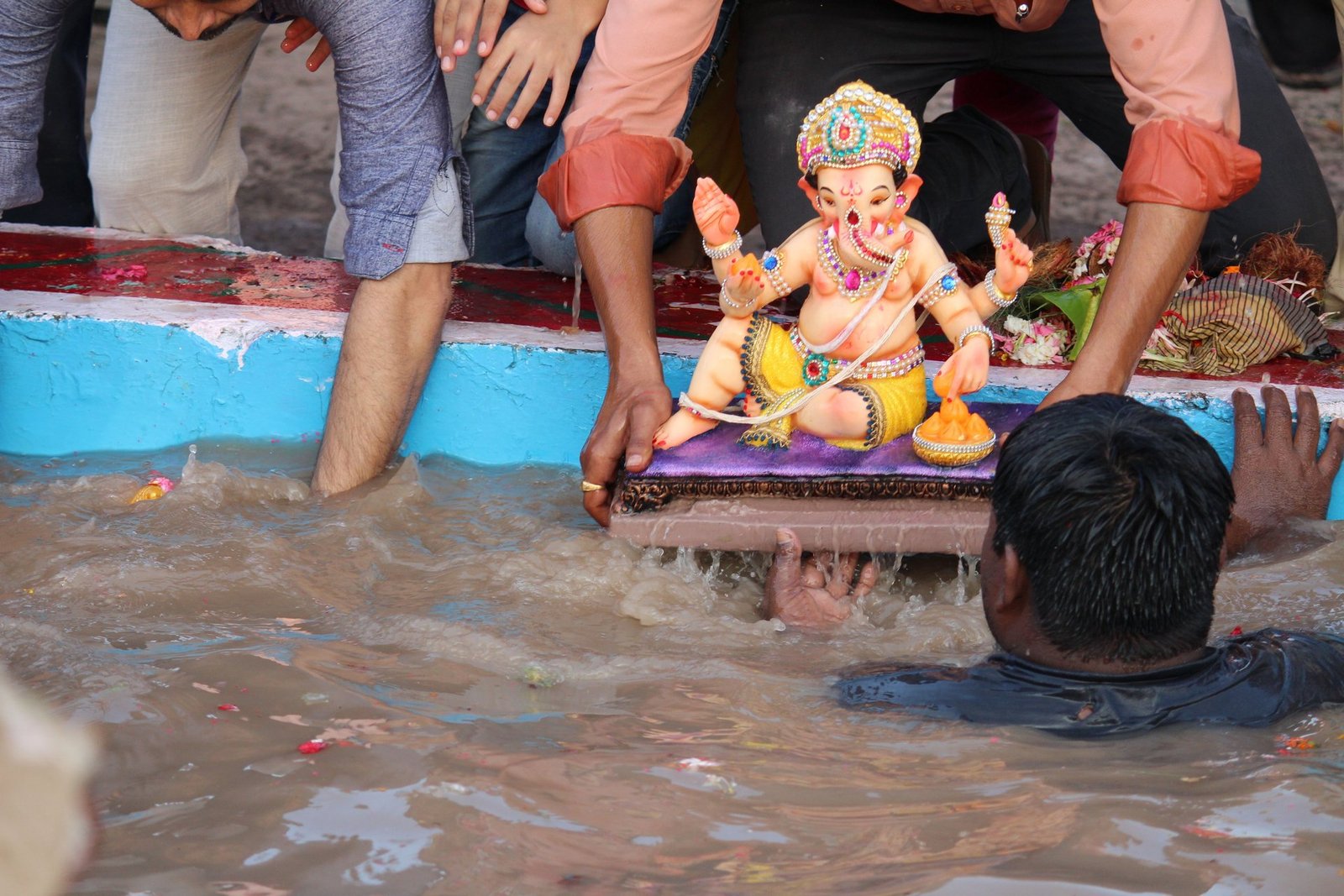
In a significant move to protect the environment, the Delhi government has announced a ban on the immersion of Ganesh idols in the Yamuna River and other natural water bodies. This directive comes in response to the fresh guidelines issued by the Delhi Pollution Control Committee (DPCC) on September 9, which aim to mitigate pollution levels during the festive season.
New Guidelines for Idol Immersion
The DPCC’s recent instructions explicitly forbid idol immersions in the Yamuna and other water sources. Instead, the committee has identified 81 designated artificial ponds across the city where devotees can perform the Ganesh Visarjan rituals safely and sustainably. This initiative is part of a broader effort to safeguard Delhi’s water quality and environmental health.
By directing the public to utilize these artificial ponds for immersion, the authorities hope to reduce the negative impact of idol immersion on natural water bodies, which often leads to increased pollution and ecological disturbance. The artificial ponds are specifically designed to handle the immersion process, ensuring that the environment is not adversely affected.
Importance of the Initiative
Ganesh Chaturthi, a major Hindu festival, involves the worship of Lord Ganesha and culminates in the immersion of idols, a practice that has traditionally taken place in rivers and lakes. However, this practice has raised concerns over environmental pollution due to the materials used in idol construction, such as plaster of Paris and toxic paints, which can harm aquatic ecosystems.
With the new regulations, the Delhi government aims to promote eco-friendly practices among the participants of the festival. By providing suitable immersion sites, officials hope to encourage devotees to consider the environmental implications of their actions, fostering a sense of responsibility towards nature.
Public Response and Compliance
The announcement has elicited mixed reactions from the public. Many environmental advocates have praised the initiative as a necessary step towards sustainable celebrations, while some devotees express concern about the limitations it imposes on traditional practices. There are discussions among community leaders about how to balance cultural traditions with environmental preservation.
To ensure compliance with the new rules, local authorities will be actively monitoring the designated immersion sites. They are expected to provide adequate facilities and support to ensure a smooth and orderly process for the devotees participating in Ganesh Visarjan.
Looking Ahead
As the festival approaches, the Delhi government is gearing up to implement the new measures effectively. They plan to launch awareness campaigns to educate the public about the importance of using the designated artificial ponds for idol immersion. These campaigns will highlight the environmental benefits of adhering to the guidelines and the significance of protecting local water bodies.
Overall, the initiative to ban immersion in the Yamuna and provide alternative sites signifies a proactive approach to environmental conservation, setting a precedent for future festivals and celebrations in the city. It reflects a growing recognition of the need to harmonize cultural practices with ecological sustainability, ensuring that future generations can also enjoy these cherished traditions.