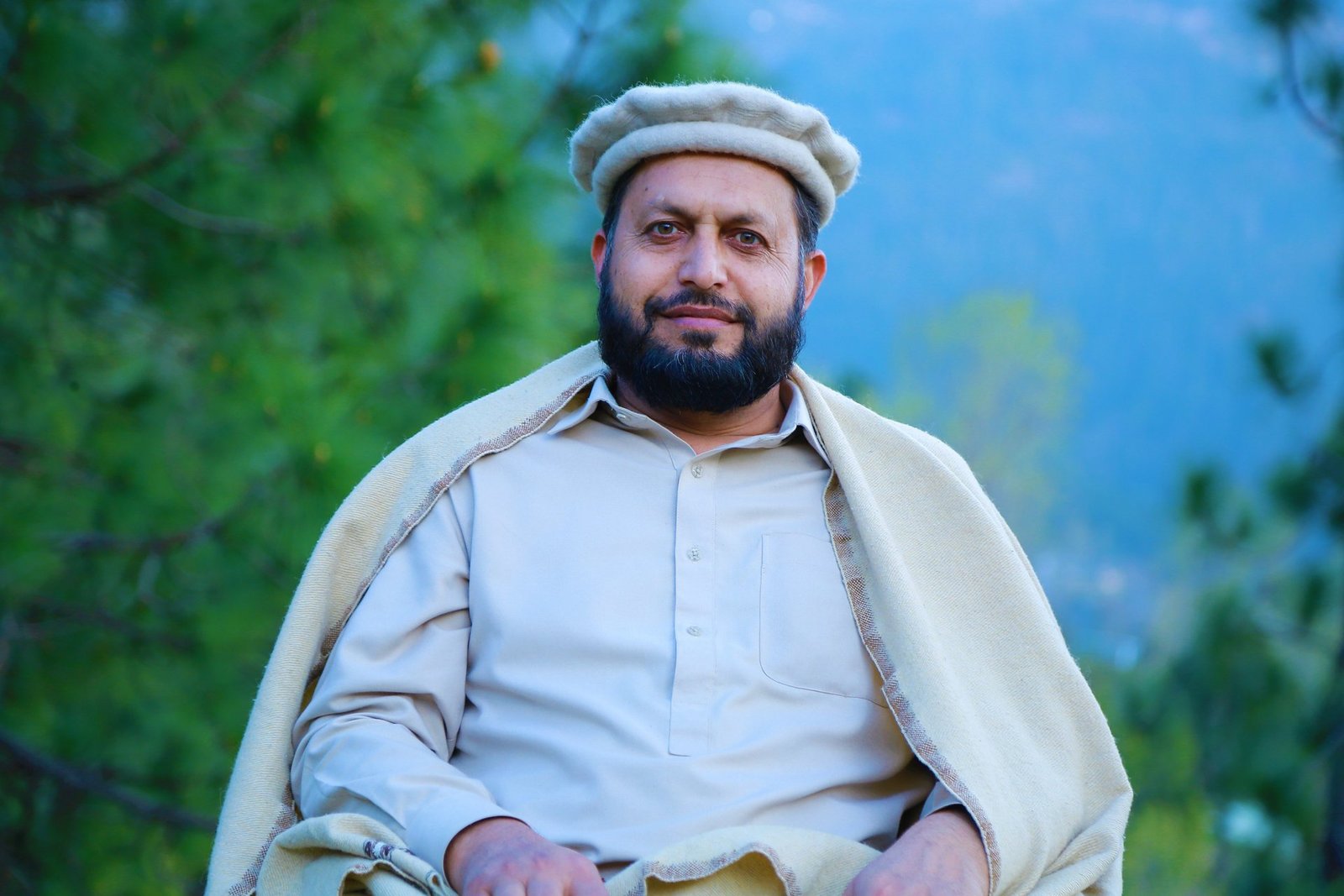

The Deputy Prime Minister and Foreign Minister of Pakistan, Ishaq Dar, is set to arrive in New York on Sunday to engage in crucial preliminary discussions. This visit precedes Prime Minister Shehbaz Sharif’s arrival, who will lead the Pakistani delegation at the 81st session of the United Nations General Assembly (UNGA).
Preparations for UNGA Amidst Global Tensions
Dar’s early presence in New York is aimed at setting the stage for a week filled with significant diplomatic engagements. The assembly comes at a time of heightened global tensions, with ongoing conflicts involving the United States, Israel, Iran, and Yemen, as well as increasing unrest throughout the Middle East.
Prime Minister Shehbaz Sharif is expected to arrive on Monday and will address the General Assembly on September 25. In light of economic constraints, the size of the Pakistani delegation has been notably reduced, focusing on essential personnel such as Dar and senior foreign-policy adviser Tariq Fatemi. Sources indicate that several federal ministers, initially slated to attend, have been excluded from the trip.
Focus Areas and Regional Challenges
The preparatory meetings led by Dar will concentrate on outlining Pakistan’s priorities for the UNGA high-level week, particularly considering the dynamic regional situation. The Middle East crisis has already been a focal point in recent UN discussions, with the Security Council addressing the deteriorating situations in Yemen and beyond.
The high-level general debate of the General Assembly is set to commence on Tuesday, featuring a speech from US President Donald Trump. His address is anticipated to cover the administration’s approach to international crises and its diplomatic milestones, including efforts to prevent Iran from acquiring nuclear weapons and progress on the Gaza peace initiative.
UN Security Council’s Stance and Pakistan’s Diplomatic Strategy
The UN Security Council recently condemned the ongoing Houthi attacks on Saudi Arabia, which have impacted civilian areas and energy infrastructure. The Council has called for an immediate cessation of these hostilities, emphasizing the importance of protecting civilians and civilian objects.
For Pakistan, the escalating tensions in Yemen and the broader Middle East pose a complex diplomatic scenario. The country, which enjoys strong ties with Saudi Arabia and other Gulf nations, also maintains a significant relationship with neighboring Iran. This delicate balance requires Islamabad to advocate for diplomacy and peaceful conflict resolution, while also addressing the Palestinian and Kashmir issues at the General Assembly.
Prime Minister Shehbaz’s agenda will cover a spectrum of global concerns, including sustainable development, climate change, counterterrorism, Islamophobia, and UN reforms. He is also expected to engage in bilateral discussions with global leaders and the UN Secretary-General to advance Pakistan’s strategic interests amidst a rapidly evolving geopolitical landscape.