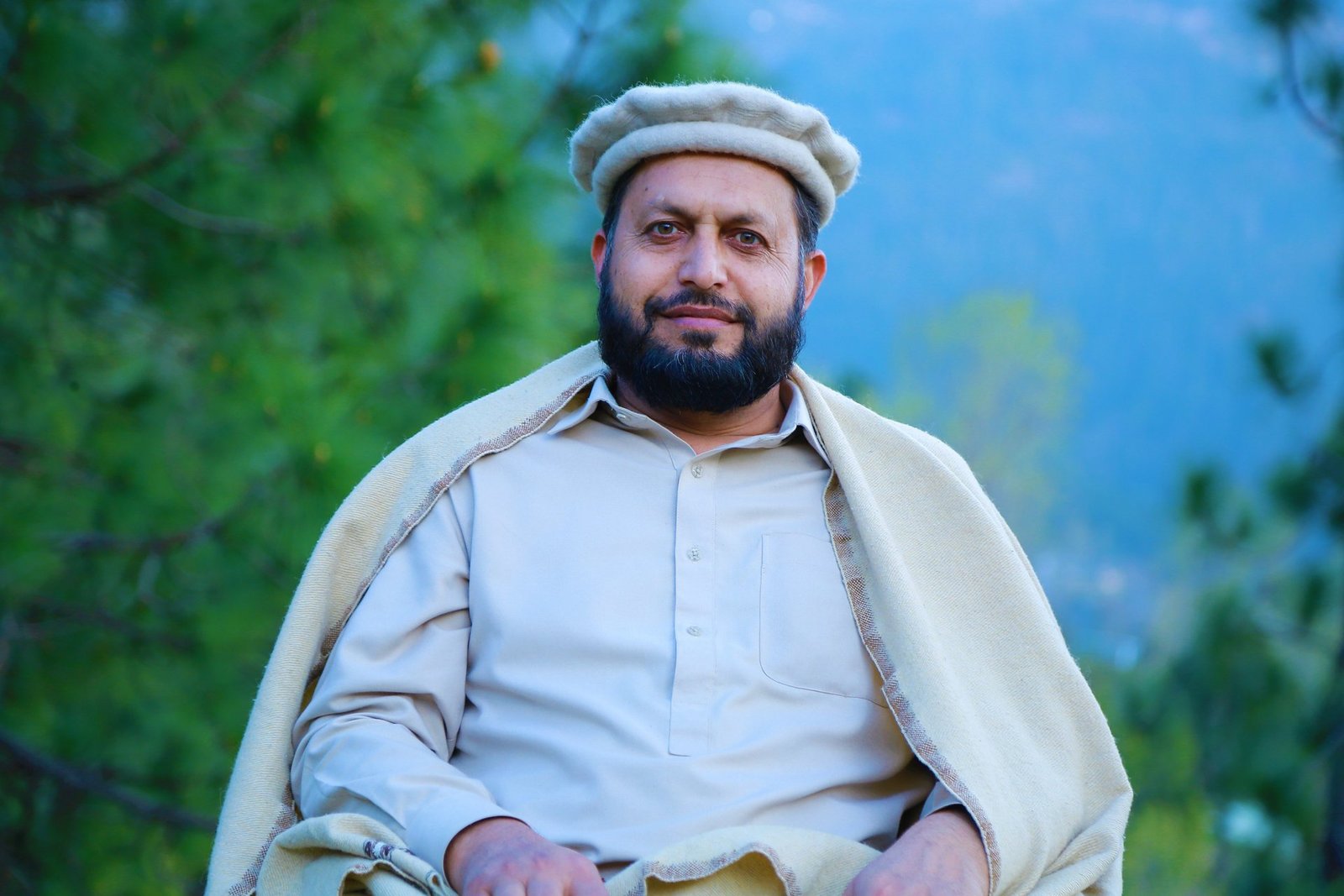
The Deputy Prime Minister and Foreign Minister, Ishaq Dar, has issued a directive to ensure that all operational fuel stations are integrated into the prime minister’s fuel relief initiative. This decision was made during a recent meeting of the National Steering Committee on Fuel Subsidy, where he emphasized the need to remove permanently closed stations and those exclusively selling diesel from the list.
In his statement, Dar clarified that every fuel station that is currently active should be included in the relief program. He insisted that any stations identified as permanently closed or operating solely with diesel should be promptly eliminated from the system. The committee was updated on the significant number of fuel stations that are now functioning within the system, enabling citizens to redeem their fuel tokens effectively.
To facilitate the process, registration for the relief scheme continues nationwide through SMS to the number 9771. Additionally, the committee has approved a mechanism that allows fuel tokens to be redeemed via SMS at stations in areas lacking internet access. It has been requested that Azad Jammu and Kashmir (AJK), Gilgit-Baltistan (GB), and the provinces provide lists of such stations to ensure their swift inclusion in the scheme.
Recent Developments and Updates
The State Bank of Pakistan (SBP) reported that all payment claims submitted over the past few days have been processed and settled fully, with claims being addressed on the same day they are received. Dar commended the provincial administrations for their collaboration and acknowledged the SBP’s support, stressing that it is crucial for the relief to reach the intended recipients without any interruptions.
This relief initiative, announced by Prime Minister Shehbaz on September 13, aims to support users of motorcycles, autos, and vehicles with engines up to 800cc amid rising global oil prices. Owners of motorcycles, rickshaws, Qingqis, and similar vehicles will benefit from a Rs100 per litre reduction in petrol prices.
In a recent update, PM Shehbaz also revised the existing structure of the fuel relief scheme to accommodate more two- and three-wheelers, while relaxing the weekly limits to provide motorists with greater flexibility in utilizing the assistance. The directive also includes the inclusion of motorcycles, rickshaws, and Qingqi rickshaws that are up to 20 years old.
Impact of Global Events on Fuel Prices
Recent escalations in the Middle East have disrupted key oil supply routes, contributing to the rise in fuel prices over the past two months. The ongoing crisis in the Strait of Hormuz, due to tensions between the US and Iran, and threats to trade through Bab al-Mandab, a crucial route for Saudi oil exports, have exacerbated the situation.
On the first day of the nationwide rollout of the subsidy scheme, some petrol stations reported issues, refusing to honor the digital app, citing a lack of necessary systems to provide petrol at the reduced rate of Rs100 per litre. This has posed challenges for the scheme’s implementation.
In response to the ongoing fuel crisis, the federal government has reinstated austerity measures, including an earlier closing time of 9 PM for markets and a 50% reduction in fuel allocations for official vehicles for three months.