As technology evolves, the realms of automotive and aviation are witnessing remarkable advancements in driver and pilot assistance systems. This article delves into the intriguing similarities between the two, specifically highlighting the Hyundai Venue and Akasa Air’s Boeing 737 Max.
On October 1, 2026, Shapur Kotwal took a closer look at how these systems are being integrated into everyday vehicles and aircraft, enhancing safety and driving experiences.
Understanding Advanced Assistance Systems
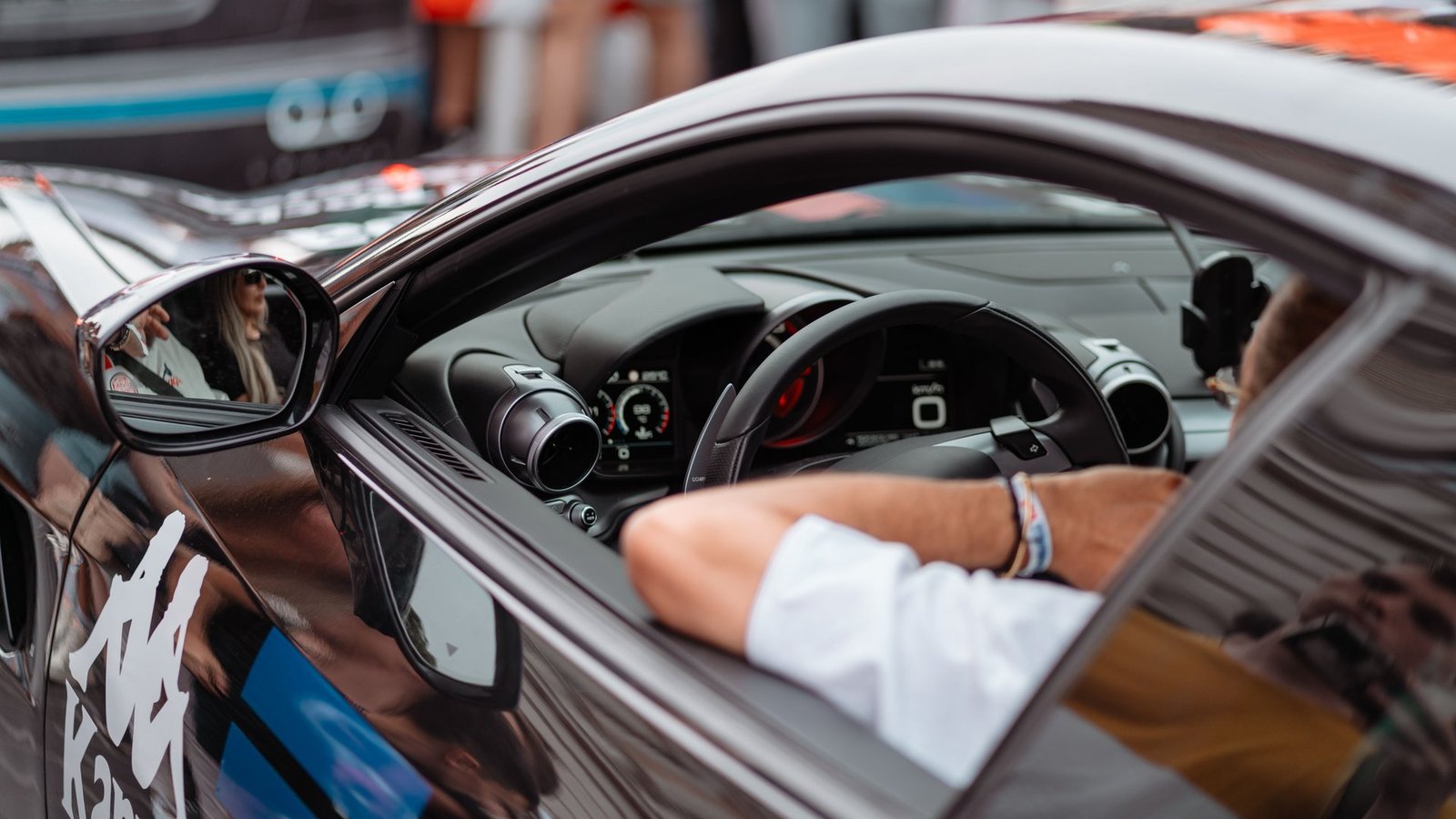
Both cars and airplanes are increasingly equipped with sophisticated assistance technologies designed to support operators during their journeys. In cars, features such as Advanced Driver Assistance Systems (ADAS) provide functionalities like adaptive cruise control, lane-keeping assist, and emergency braking.
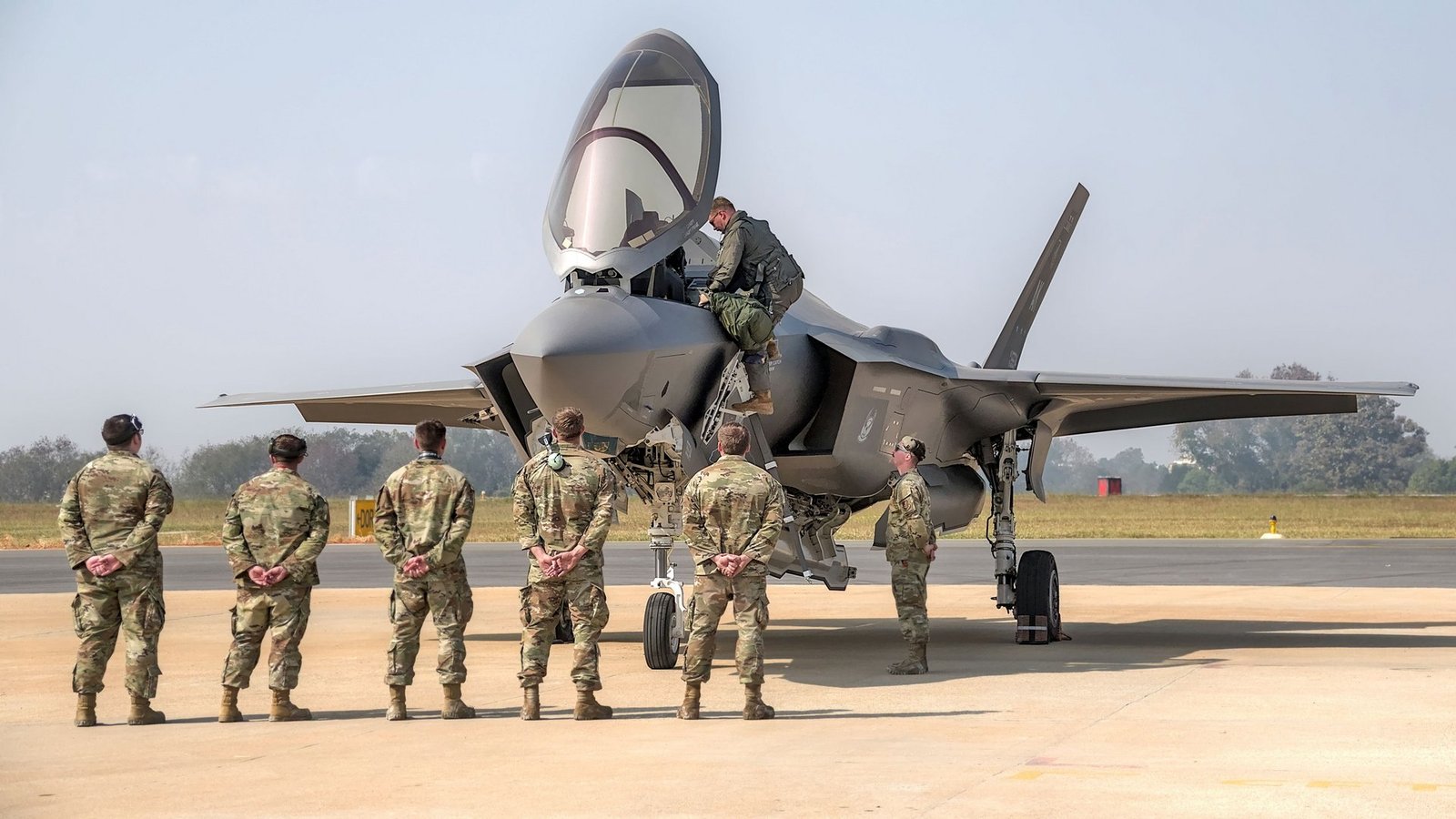
Similarly, in aviation, the Boeing 737 Max utilizes advanced autopilot systems that aid pilots in navigating and managing flight operations with greater precision and safety. This convergence of technology raises questions about the future of transportation.
Comparative Features of Hyundai Venue and Boeing 737 Max
The Hyundai Venue, a compact SUV, showcases several modern features that align with the latest trends in vehicular technology. Its ADAS capabilities offer enhanced safety measures for drivers and passengers alike.
In contrast, the Boeing 737 Max employs state-of-the-art autopilot systems that allow pilots to automate various flight processes, ensuring a smoother and safer flight experience. This comparison underscores the growing overlap between automotive and aviation technology.
Implications for the Future of Transportation
The integration of advanced assistance technologies not only improves safety but also enhances overall user experience in both industries. As these systems continue to develop, it is likely that cars and planes will become even more interconnected.
Looking ahead, the potential for further innovation is immense, with both sectors aiming to reduce human error and improve efficiency. The exploration of these technologies will undoubtedly shape the future landscape of transportation.