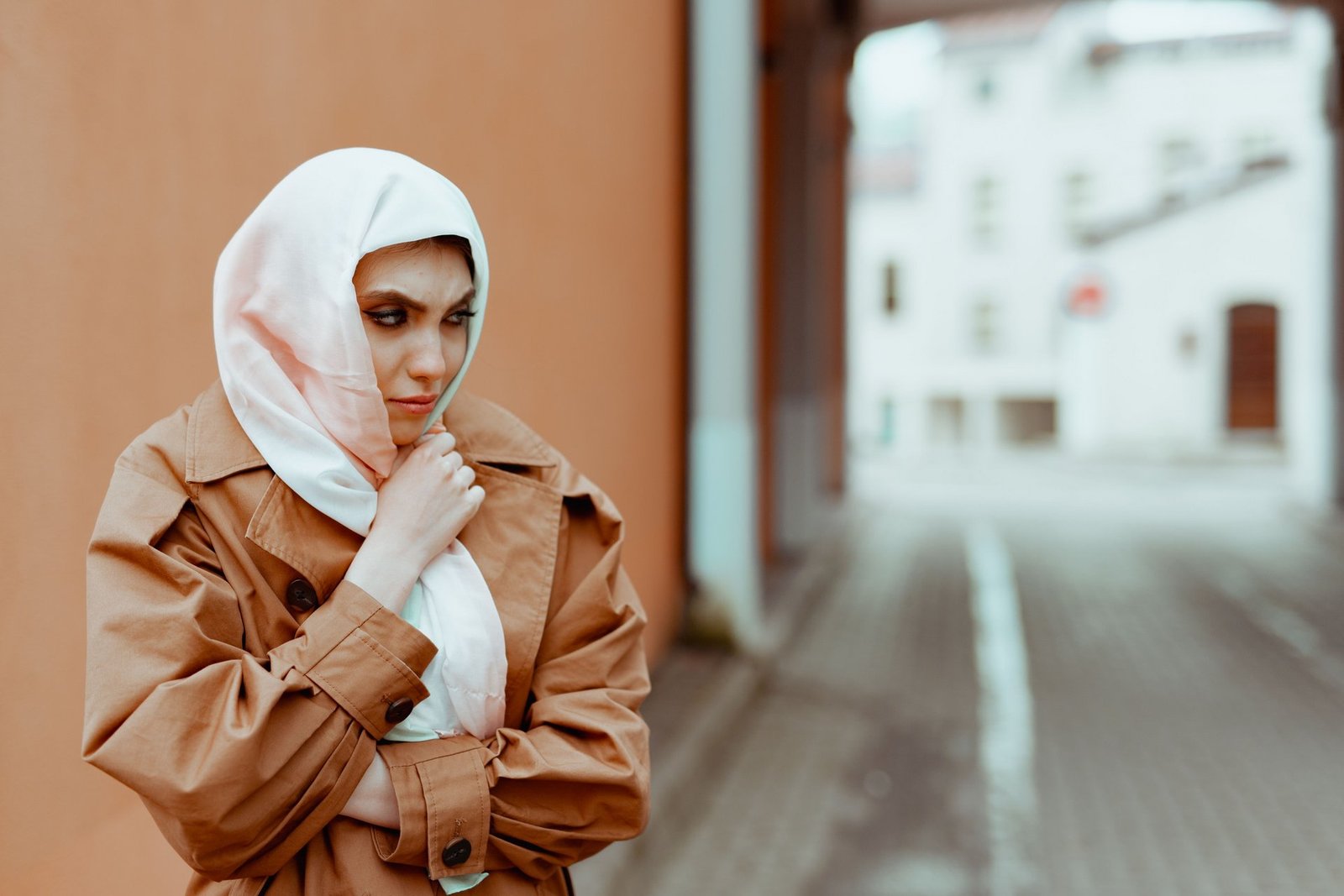
As the school year commences in Austria, a new law prohibiting the wearing of headscarves in educational institutions for girls under the age of 14 has officially taken effect. This legislation bans traditional Muslim head coverings, including hijabs and burkas, in both public and private schools nationally.
Claudia Bauer, the Integration Minister representing the conservative People’s Party (ÖVP), has described the headscarf as “a sign of oppression” and a tool for controlling young girls from an early age. Supporters of the law argue that it demonstrates a firm commitment to gender equality and aims to safeguard the rights of young girls.
Opposition to the Ban
Critics have voiced their concerns, suggesting that this new regulation may incite anti-Muslim sentiment in Austria and could potentially breach constitutional rights. Carla Amina Baghajati, a representative from the Islamic Community in Austria (IGGÖ), expressed strong opposition to the law, stating that it unjustly infringes on the fundamental right to religious freedom and disproportionately impacts Muslim girls.
Baghajati further argued that rather than protecting children, the ban targets a specific religious practice and may inadvertently alienate the very group it seeks to support. The IGGÖ has pledged to aid families and girls who wish to challenge the law legally in front of the Constitutional Court, which previously nullified a similar headscarf ban in primary schools back in 2020 due to its violation of Austria’s principle of religious neutrality.
Enforcement and Reactions from Educators
Teachers are expected to play a critical role in enforcing the ban, initiating discussions with students and their guardians if a headscarf is observed. In cases of repeated infringements, child protective services must be alerted, and as a final measure, guardians could face fines reaching €800 (£685).
Some educators have raised apprehensions regarding their responsibilities in enforcing this new regulation. Sigi Maurer from the Green Party criticized Education Minister Christoph Wiederkehr of the NEOS party for imposing additional conflicts on teachers who are already under significant pressure, suggesting that they are being asked to take on policing roles in addition to their teaching duties.
Political Responses and Comparisons
The far-right Freedom Party (FPÖ) has expressed that the current legislation does not go far enough, advocating for a comprehensive ban on headscarves and face coverings for both students and teachers. FPÖ member Ricarda Berger stated there is “no place for political Islam in Austria, particularly within our educational institutions.” Meanwhile, Chancellor Christian Stocker, also from the ÖVP, has voiced the need for a constitutional prohibition against political Islam, expressing his desire to avoid living in an Islamic state.
In contrast to Austria, France has enforced a ban on conspicuous religious symbols in schools for over two decades. However, Austria’s legislation specifically targets head coverings worn by Muslim women. Similar to several European nations, including France, Belgium, and Denmark, Austria also prohibits full-face veils like niqabs and burkas in public spaces.
Baghajati highlighted a concerning trend across Europe, where complex social issues are oversimplified into symbolic measures that primarily affect minority groups. She noted that while such actions may attract political attention, they often fail to address the root problems at hand.