Pakistan is actively pursuing an increase in its current swap line with China, which stands at 30 billion yuan, set to expire in 2027. Finance Minister Muhammad Aurangzeb has indicated that he anticipates a response from the United States regarding a proposed $10 billion exchange stabilization facility within the next two months.
The nation continues to depend heavily on foreign financing to enhance its foreign exchange reserves and fulfill debt obligations. As such, support from China, Gulf nations, and various international lenders is deemed crucial for sustaining economic stability and fostering investor confidence.
Aurangzeb mentioned that the entire 30 billion yuan swap line with China has already been utilized and noted that the government is yet to determine the amount of additional funding it will request during the upcoming renewal of the facility. “They were open to it, but there is a process which has to be followed,” he stated, referring to recent discussions with his Chinese counterpart and the central bank governor. He confirmed that a formal request will be made at the time of renewal.
Anticipated US Financial Support
In addition to discussions with China, Aurangzeb expressed his expectation of receiving feedback from the US regarding the $10 billion stabilization facility request within two months. The Pakistani government is also in negotiations with the Export-Import Bank of the United States (EXIM) and the US International Development Finance Corporation (DFC).
Potential EXIM financing could facilitate aircraft acquisitions from Boeing for Pakistan International Airlines, especially following its privatization, while the DFC may assist in funding a $5 billion initiative aimed at modernizing the country’s oil refineries.
When questioned about the potential risks of seeking financial backing from both the US and China simultaneously, Aurangzeb described it as an “and-and” situation. He emphasized that China has been a long-term strategic ally for Pakistan and mentioned the strong rapport currently shared with the Trump administration. “We are fortunate to maintain such relationships with both of these significant economic powers,” he remarked.
Impact of Oil Prices and Future Planning
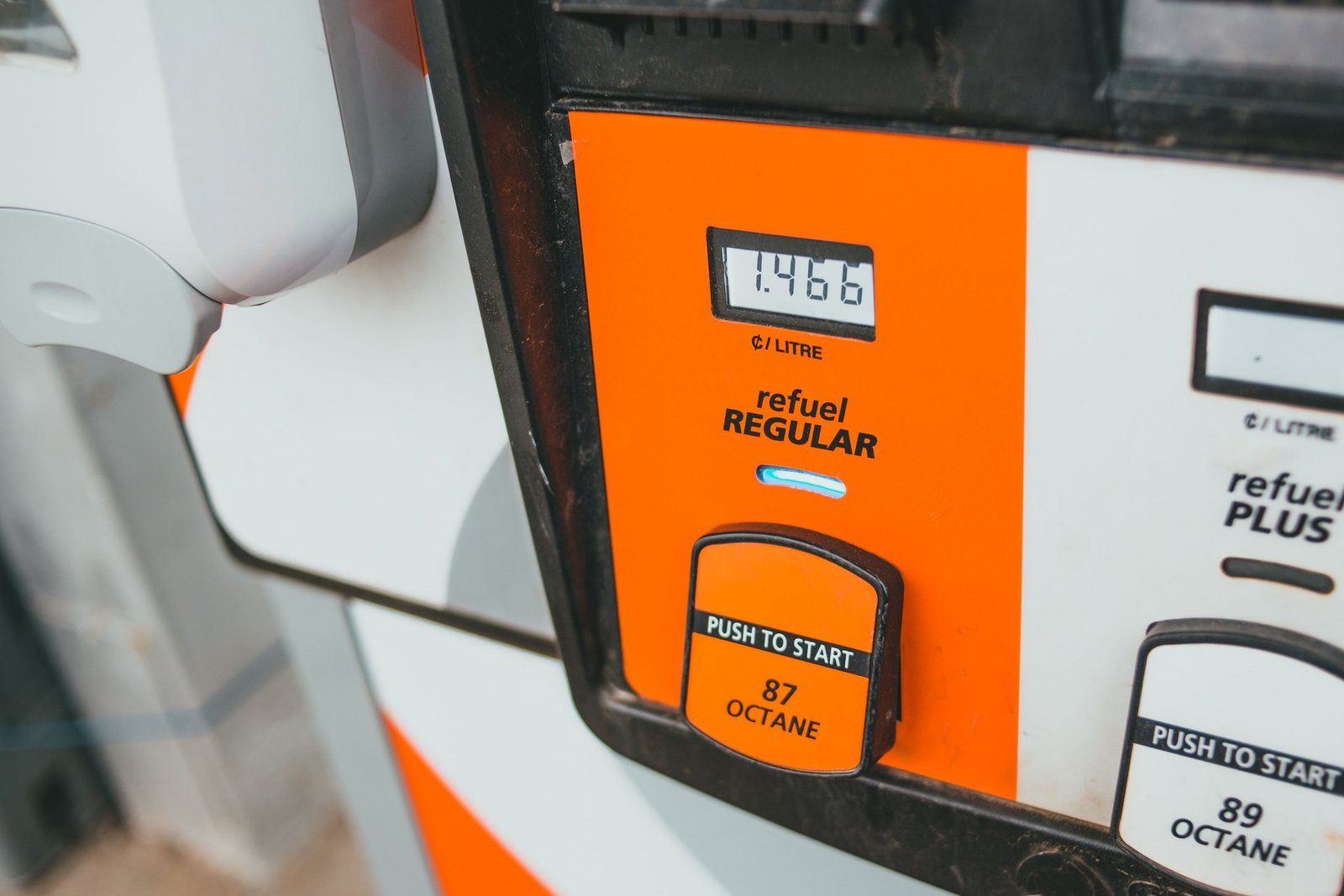
Addressing the rising crude oil prices stemming from the recent conflict in the Middle East, which escalated in February, Aurangzeb noted that Pakistan managed the initial surge following US and Israeli strikes on Iran reasonably well. However, he acknowledged that the future outlook has become increasingly uncertain.
“If this conflict extends into November or December, it could pose a significant concern for us,” he stated, adding that an extended disruption could jeopardize the government’s goal of achieving a 4% growth rate for the fiscal year. He assured that Pakistan has secured sufficient oil reserves to meet its needs through September and is in a solid position for October, with plans for November supplies already in progress.
Despite the challenges, Aurangzeb confirmed that the government does not intend to seek additional financial assistance or emergency support from the International Monetary Fund (IMF) at this time. “Currently, we believe the situation is manageable,” he stated. An IMF mission is scheduled to visit next week for the fourth review of Pakistan’s $7 billion program and the third review of its Resilience and Sustainability Facility, with Aurangzeb expressing confidence in meeting the quantitative and structural benchmarks set forth.