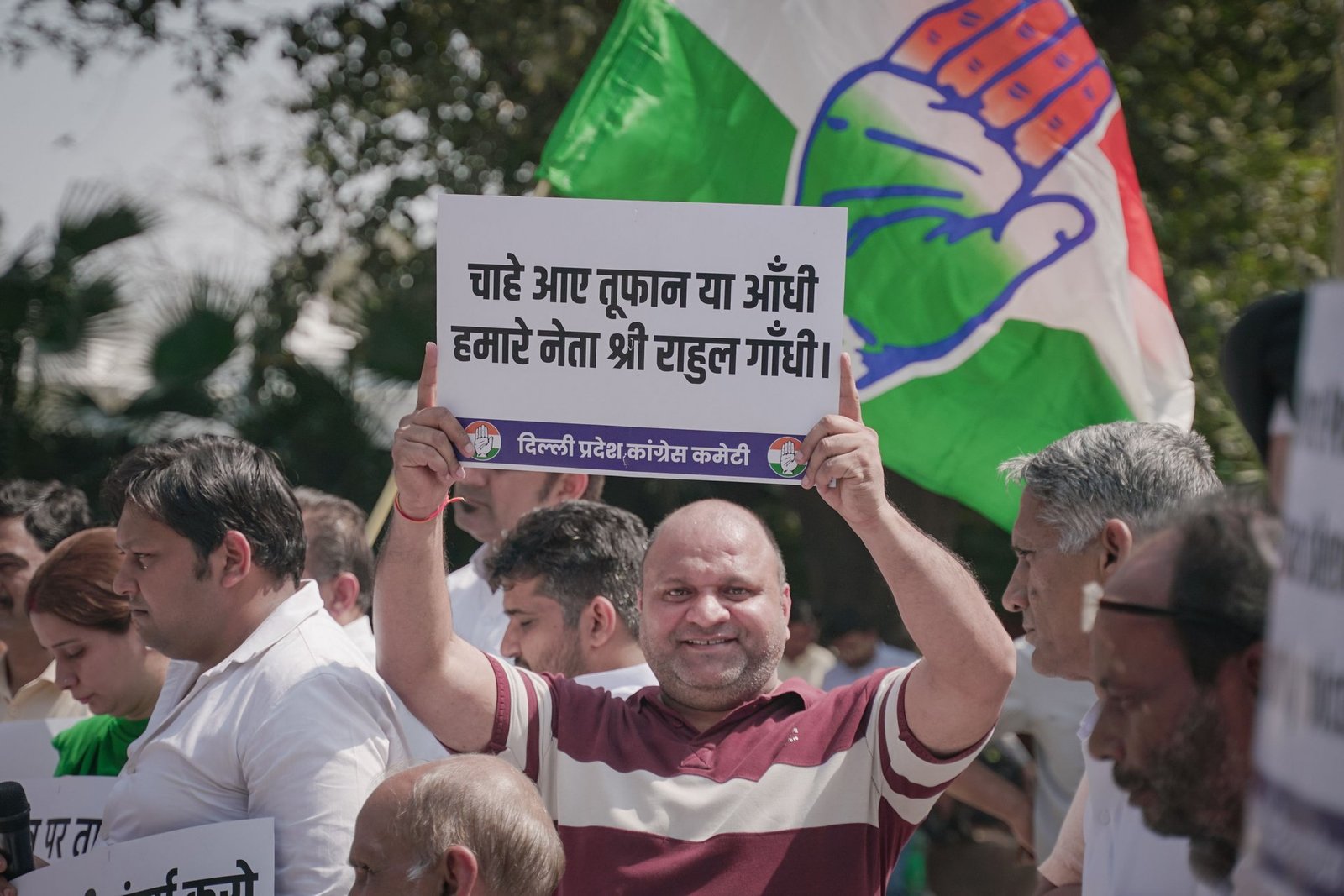
In a significant political demonstration on Tuesday, Rahul Gandhi, who serves as the Leader of Opposition in the Lok Sabha, along with other prominent Congress members, made their way to the Akashvani Bhawan premises. This location is situated a mere 200 meters from the office of the Election Commission of India.
Accompanied by fellow Congress MPs, including Priyanka Gandhi Vadra, the group made a direct appeal to the Election Commissioners, seeking permission to engage in discussions regarding electoral concerns. This action is part of a broader strategy by the Congress party to highlight their grievances and push for transparency in the electoral process.
Context of the Protest
The Congress party’s actions stem from rising tensions surrounding the upcoming elections, with the party expressing dissatisfaction over various electoral practices and regulations. By approaching the Election Commission, they aim to address these issues head-on and advocate for fair electoral conduct.
The decision to protest near the Election Commission’s office signifies the party’s commitment to ensuring that their demands are heard in a pivotal moment for Indian democracy. The Congress has been vocal about its concerns regarding the impartiality and functionality of the electoral authority.
Reactions to the Protest
As the situation unfolded, it became apparent that the Congress party’s actions were met with mixed reactions from the public and political analysts. Supporters of the Congress applauded their efforts to confront the Election Commission directly, viewing it as a necessary step to uphold democratic values.
Conversely, critics of the Congress party criticized their approach, arguing that such protests could undermine the authority of the Election Commission and create unnecessary friction during an already tense electoral period. The impact of this protest on the party’s standing in the eyes of voters remains to be seen.
Next Steps and Political Implications
Looking ahead, the Congress party is expected to continue its campaign for electoral reform and transparency. The outcome of their meeting with the Election Commissioners, if granted, could significantly influence their strategy as they prepare for the elections.
Moreover, the response from the Election Commission to this protest will be closely monitored. Any actions they take in response to the Congress’s demands could have far-reaching implications not only for the party but also for the overall electoral landscape in India.
As the situation develops, it is likely that the Congress party will maintain its pressure on electoral authorities, aiming to ensure that their voices are heard amidst the complexities of the current political climate.