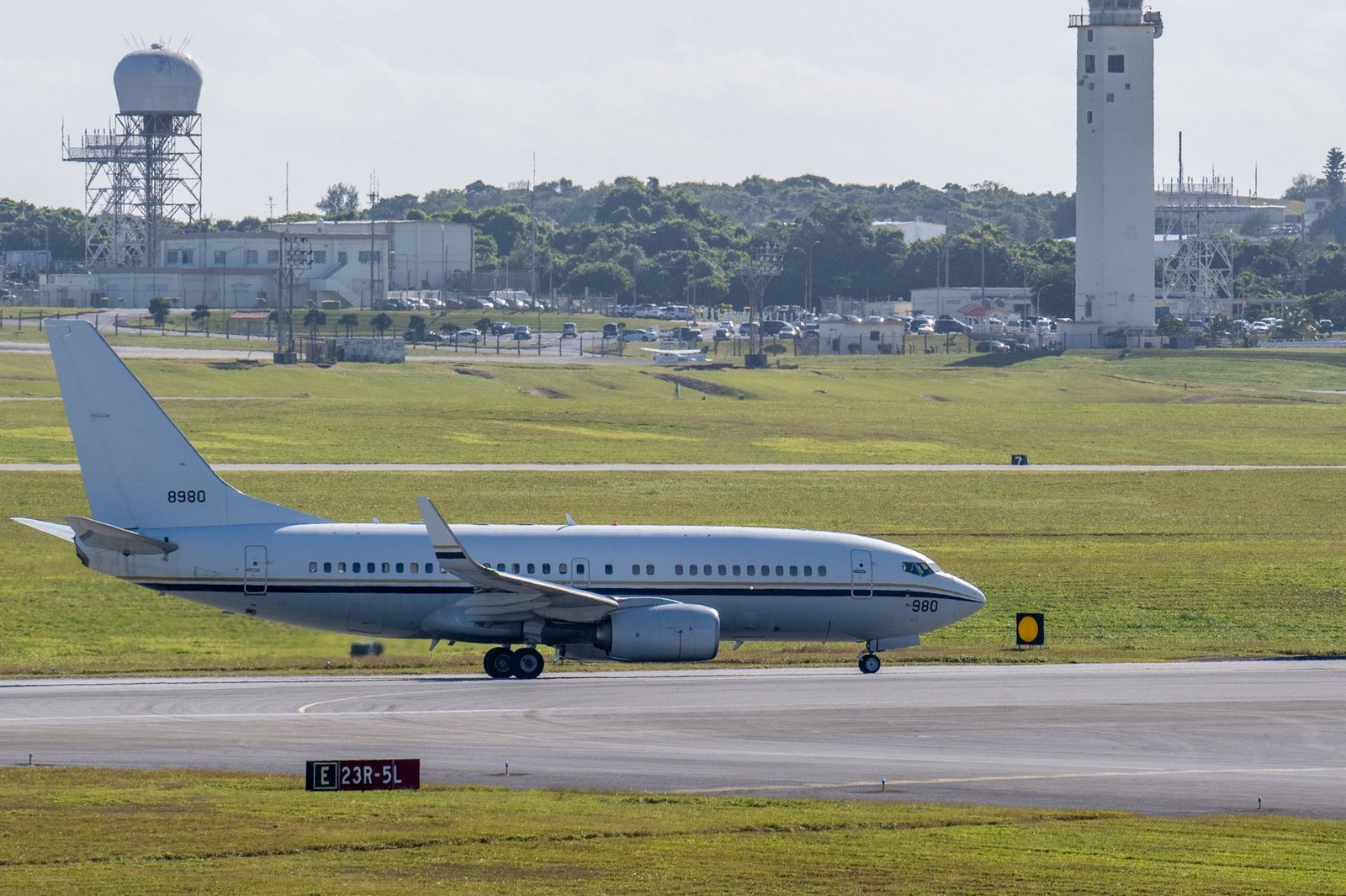
In response to a recent murder investigation, US military personnel stationed in Okinawa, Japan, are now subject to a strict curfew and a ban on alcohol consumption. This decision comes as authorities aim to manage the growing concerns surrounding the large presence of American troops on the island, especially given the history of incidents that have raised tensions between local residents and US forces.
Background of the Incident
The murder case that prompted these measures is not an isolated event; rather, it is part of a troubling pattern of incidents involving US military personnel in Okinawa. Over the years, there have been numerous reports of crimes and disturbances linked to the American troops, leading to heightened anxiety among Okinawa’s local communities.
The ongoing investigation is expected to draw significant attention, not only from local media but also from national and international observers, as it underscores the complex dynamics between the US military and the Japanese public. Historically, these incidents have sparked protests and calls for a reduction in the number of US troops stationed in Japan.
Local Reactions and Implications
The imposition of the curfew and alcohol restrictions has been met with mixed reactions among the Okinawan population. Some residents view these measures as necessary steps to ensure public safety and restore trust, while others see them as a temporary fix that does not address the underlying issues of military presence and oversight.
Community leaders and advocacy groups have long voiced their concerns regarding the safety and well-being of Okinawans in light of the US military’s activities. This latest incident may reignite debates over the US military’s role in Japan and the responsibilities that come with hosting foreign troops. As investigations proceed, local leaders are likely to push for more comprehensive solutions that address community concerns rather than relying solely on restrictive measures.
Next Steps for US Military and Authorities
As the investigation unfolds, the US military is expected to cooperate fully with local authorities, ensuring transparency and accountability. The effectiveness of the curfew and alcohol ban will likely be monitored closely, with community feedback playing a crucial role in shaping future policies.
Furthermore, the incident may prompt discussions on the broader implications of the US military’s presence in the region, particularly as tensions persist in nearby areas such as Taiwan and China. Policymakers on both sides will need to navigate these complexities carefully, balancing national security interests with the concerns of local populations.
In conclusion, the recent murder investigation and subsequent restrictions imposed on US troops in Okinawa highlight ongoing challenges in the relationship between the US military and local communities. As both sides seek to address these issues, the situation will require careful consideration and dialogue moving forward.