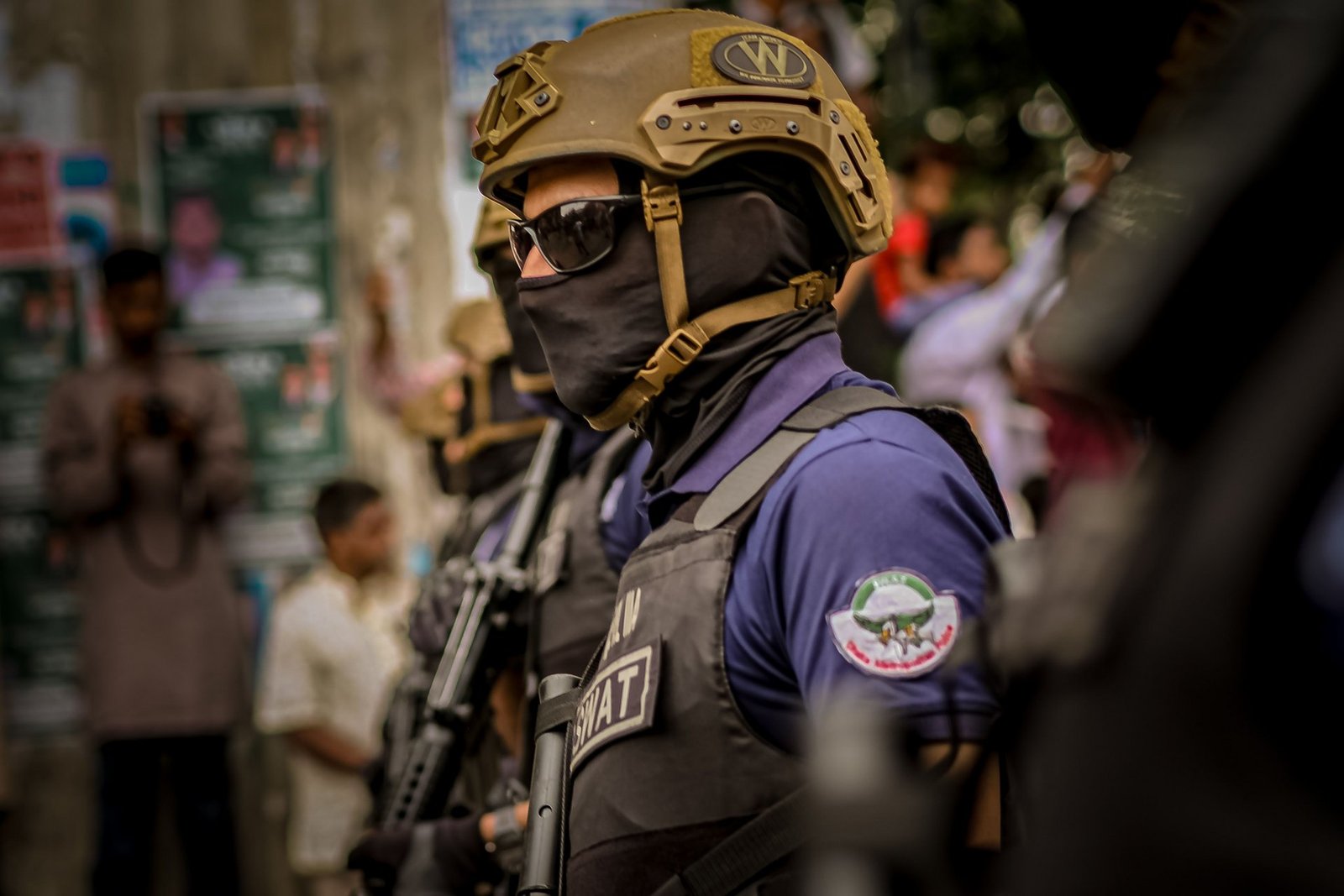
During a significant operation conducted along the N-25 Karachi-Chaman highway near Kalat in Balochistan, security forces successfully eliminated five terrorists and freed 23 hostages from captivity, as reported by the military’s media division on Sunday.
The Inter-Services Public Relations (ISPR) revealed that the terrorists were affiliated with a group called Fitna-al-Hindustan, which had set up an illegal checkpoint aimed at kidnapping for ransom, extortion, and vehicle theft. This activity occurred during the night of September 18-19.
In response to this threat, security personnel engaged in a fierce gunfight, resulting in the deaths of five terrorists linked to this India-backed faction. The ISPR’s statement emphasized that the operation was part of ongoing efforts to counteract the malicious activities attributed to foreign-sponsored terrorism in Pakistan.
Balochistan’s Security Landscape
The Pakistani government has labeled various Balochistan-based militant groups as Fitna-al-Hindustan to underline India’s purported involvement in fostering instability and terrorism within the country. The ISPR confirmed that a total of 23 kidnapped individuals were rescued from the terrorists’ hideout near Kalat.
Additionally, security forces seized an array of assets, including six trucks, three buses, two cars, and a cache of weapons, ammunition, and explosives. The ISPR remarked that these operations have been crucial in disrupting the malicious objectives of these foreign-backed terror groups.
As part of ongoing efforts to secure the region, sanitization operations are currently underway to eliminate any remaining threats and to ensure the safety of the local population and vital national highways. The ISPR reiterated the commitment of security forces to continue their counter-terrorism campaign under the ‘Azm-i-Istehkam’ initiative, which has been sanctioned by the Federal Apex Committee as part of the National Action Plan.
Recent Developments in Counter-Terrorism Operations
Balochistan has been grappling with a rising tide of terrorism, which has prompted a surge in counter-terrorism initiatives by security forces. A recent assessment by the Pakistan Institute for Conflict and Security Studies indicated a 7% rise in terrorist incidents, increasing from 83 in July to 89 in August.
In the weeks leading up to the recent operation, multiple incidents have underscored the volatile security situation in Balochistan. For instance, on the night of August 31 to September 1, militants from the proscribed Tehreek-i-Taliban Pakistan (TTP) executed a coordinated attack on the Customs House at Ziarat Cross, leading to the deaths of ten terrorists in retaliatory measures, although six personnel, including two officers, were also killed.
On August 31, security forces eliminated 11 terrorists from Fitna-al-Hindustan who had established an illegal checkpoint along the N-40 Quetta-Taftan highway. Further operations in September resulted in the deaths of several more terrorists across various districts, including Kalat, Kharan, Washuk, and others, showcasing the intensified military focus on dismantling terrorist networks in the region.