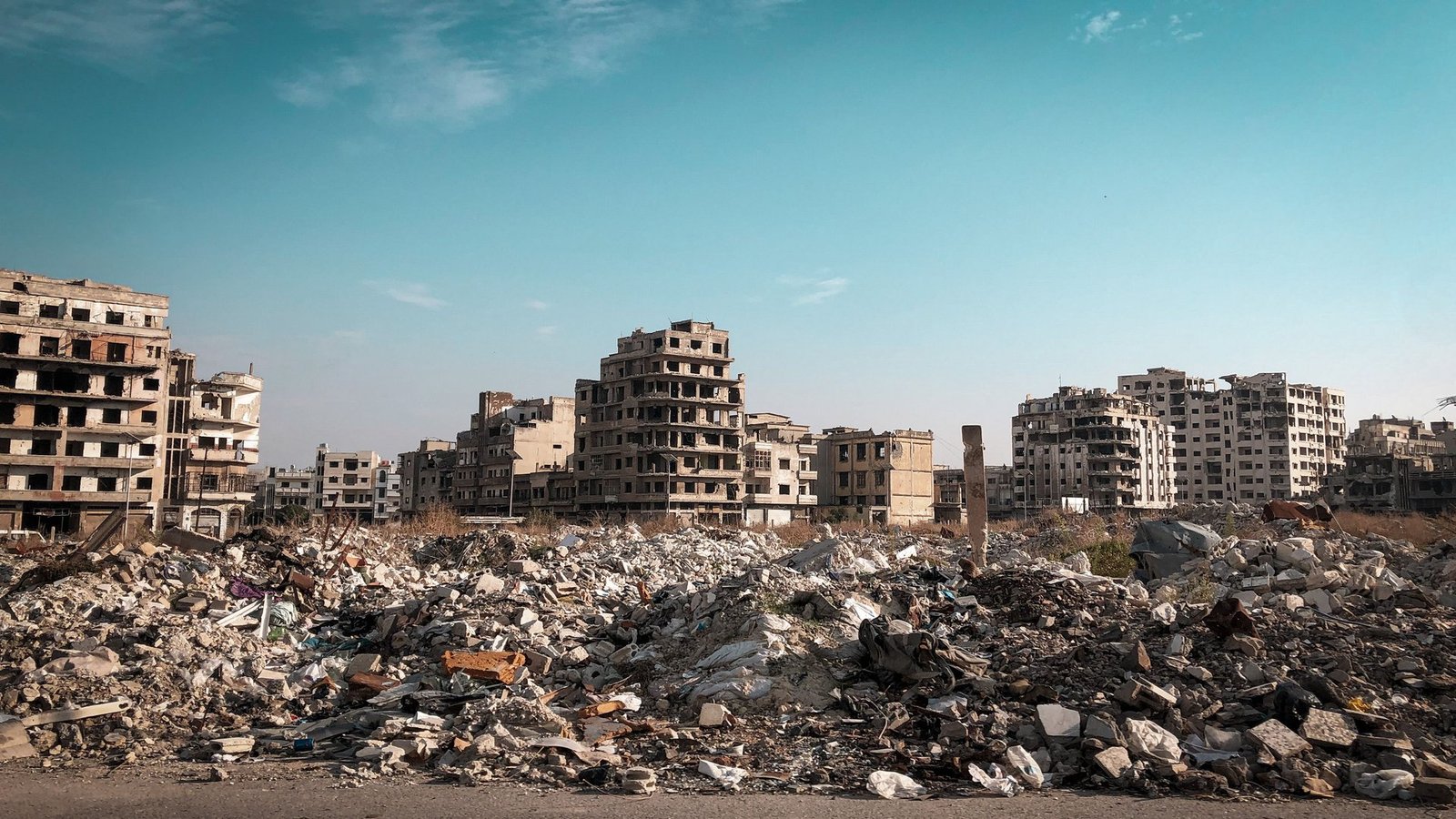
In recent months, the devastating impact of war on cultural heritage has become painfully evident, with Ukraine bearing the brunt of this destruction. Russian aerial assaults have intensified, leading to significant damage in cities like Kyiv, Mykolaiv, and Odesa. Among the losses are six UNESCO-protected sites in Odesa, including the historic Alexandru Sturdza House. This has reignited the debate over why those responsible for such cultural devastation are not held accountable.
Efforts for Accountability
In response to these attacks, Ukraine’s Ministry of Culture reported that 148 cultural heritage sites have been damaged or destroyed. Ukrainian activists have sought justice by filing complaints with the International Criminal Court (ICC) against Russia for cultural destruction and looting, yet no indictments have been made. According to Bijan Rouhani, a senior researcher, the challenge lies not in evidence but in jurisdiction and political will.
The global community continues to question whether effective measures can be taken to prevent further damage or ensure accountability. This issue is not unique to Ukraine; similar destruction has been seen in Gaza, Sudan, Lebanon, Yemen, and Iran, where cultural heritage sites have been targeted amid ongoing conflicts.
Historical Context and Legal Challenges
The Hague Convention of 1954 was the first international treaty aimed at protecting cultural heritage during armed conflicts, covering monuments, architecture, art, and books. Despite subsequent protocols to enhance protection, the enforcement of these measures remains challenging. The ICC, established in 2002, was intended to hold perpetrators accountable for war crimes against cultural sites, but only one case has been successfully prosecuted.
Rouhani argues that without major powers backing international law enforcement, the cycle of destruction will persist. He highlights that heritage is often a secondary concern for governments unless it serves their propaganda interests. The obligations of the Hague Convention are not always taken seriously, as evidenced by the widespread damage in recent conflicts.
Preservation Efforts
In Ukraine, local and international organizations have collaborated to protect cultural heritage from Russian attacks. The Aliph Foundation, based in Geneva, has been instrumental in providing funding to help Ukrainian museums secure valuable artifacts. These efforts include the use of ‘heritage ambulances’ equipped to transport and preserve cultural items.
Blue Shield International, known as the “Red Cross for culture,” also plays a significant role in safeguarding heritage. Dr. Emma Cunliffe, head of operations, emphasizes the risks Ukrainians take to document damage and protect their cultural legacy, despite facing numerous challenges.
The Ongoing Threat of Looting
War often leads to the looting of cultural sites, a practice as old as conflict itself. Understanding the motivations behind looting is crucial for implementing effective deterrents. In Iraq and Syria, the looting of artifacts during and after the ISIS occupation was rampant, with many items trafficked internationally.
Efforts to recover looted artifacts have seen some success, with multinational operations seizing stolen antiquities. However, the lucrative nature of this trade means that conflicts continue to provide opportunities for looting. In Sudan, for example, the national museum in Khartoum was stripped of its treasures in 2023, highlighting the ongoing threat to cultural heritage.
Conclusion
Despite existing regulations, the challenges of protecting cultural heritage during conflicts remain immense. Local initiatives, supported by organizations like Aliph and Blue Shield International, offer some hope, but without stronger international enforcement, the prospect of accountability remains slim. The story of Khaled al-Asaad, the archaeologist who sacrificed his life to protect Palmyra’s heritage, serves as a poignant reminder of the stakes involved in preserving our cultural history.